US-China Agree to Roll Back Reciprocal Tariffs for 90 Days


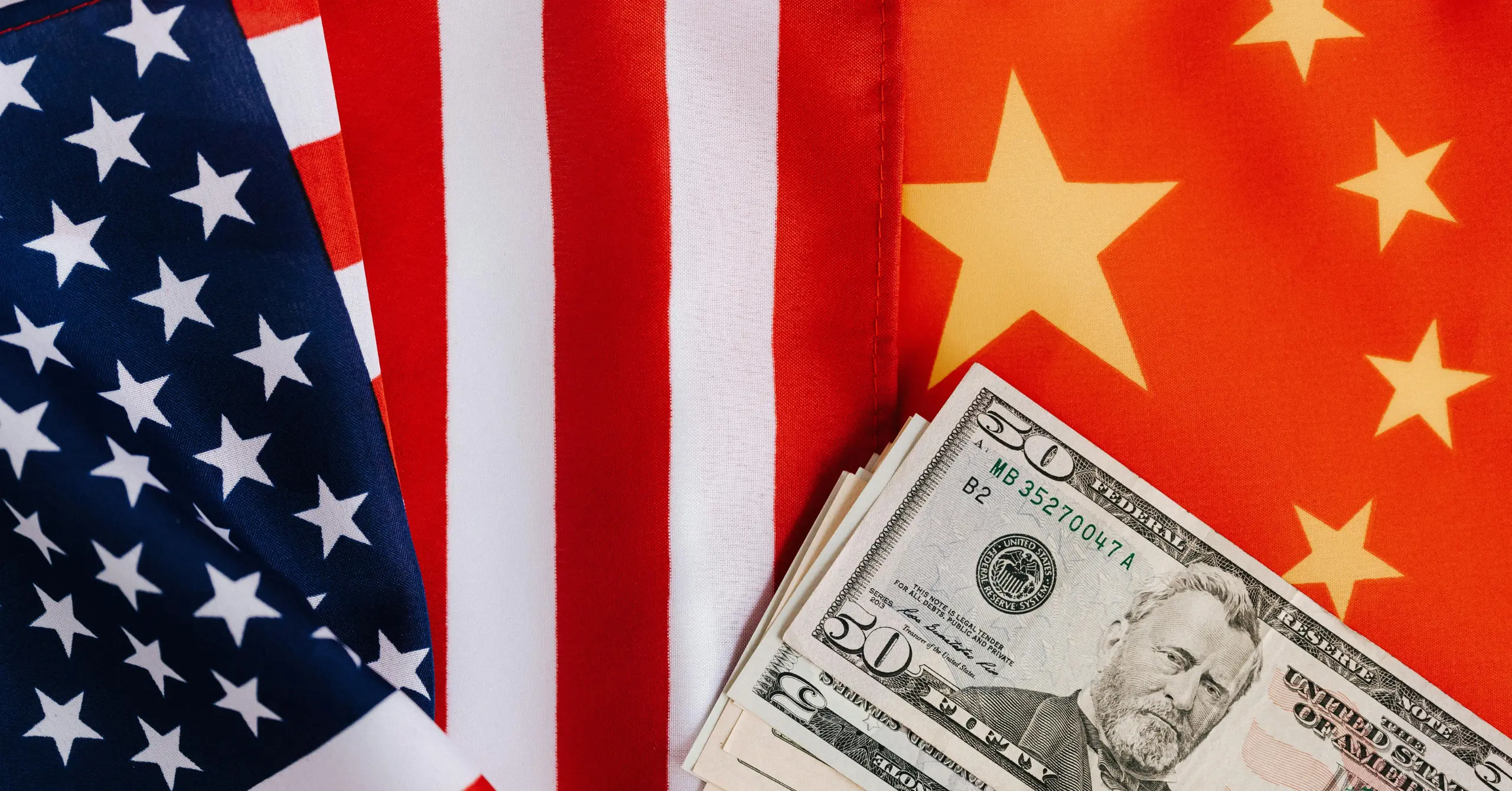
While the truce offers a temporary reprieve, analysts caution that challenges remain.
In a surprising development, the United States and China have agreed to roll back tariffs imposed on each other for a 90-day period, easing tensions in a trade war that has been fueling fears of a global recession.
The agreement was announced in a press conference in Geneva by US Trade Representative Jamieson Greer and US Treasury Secretary Scott Bessent on Monday, after two days of negotiations between the two superpowers.
Under the agreement, The United States will reduce the tariffs on some Chinese goods from 145% to 30%, while China will lower its tariffs on US products from 125% to 10%.
However, the 20% tariff on fentanyl-related chemicals from China and Chinese tariffs on US agricultural products will stay. Otherwise, the two countries have agreed to lower their tariff rates against each other by 115 percentage points for 90 days, effective Wednesday, May 14, 2025.
In a joint statement, the two parties vowed to continue discussions and said talks may be conducted alternately in China and in the United States, or in a third party country that both agree upon.
“The Parties will establish a mechanism to continue discussions about economic and trade relations,” they said in a joint statement after the negotiations.
Financial markets immediately responded positively to the development, with both the Dow Jones and the US dollar strengthening, and Asian markets closing higher on Monday.
No Winners in Trade War
For the first time, Chinese President Xi Jinping has publicly addressed the trade issue, condemning what he described as bullying and warning that no one emerges victorious in a trade conflict.
“There are no winners in tariff wars or trade wars. Bullying or hegemonism only leads to self-isolation,” he said in his speech during the opening ceremony of the China-CELAC (Community of Latin American and Caribbean States) Forum in Beijing.
The meeting was attended by Latin American and Carribean officials, including the Presidents of Brazil, Chile, and Colombia.
Too Early to Celebrate
Analysts caution that the recent developments provide only a temporary reprieve, as no lasting trade deal has been reached and deep-rooted issues and tensions remain unresolved. The 90-day pause provides a window for both countries to engage in more substantive negotiations. It could be a strategic move to avoid further economic damage while working toward a longer-term deal.
It may prepare the stage for a face-to- face discussion between US President Donald Trump and Chinese President Xi Jinping, but the road to such talks will remain challenging.
Global Economic Impact
With two of the world’s largest economies de-escalating tensions, the risk of a trade war-induced global recession is slightly mitigated, at least temporarily.
Multinational companies that rely on cross-border supply chains may see reduced disruption, allowing for more predictable operations.
The suspension of tariffs may reduce costs for importers and exporters, easing price pressures on goods such as electronics, machinery, and agricultural products. This could lead to lower prices for consumers and improved profit margins for businesses.