This Bus Manufacturing Company is Steering the Future of Public Transportation


Fueled by innovation, Yutong is dedicated to providing its customers with safe, high-quality, and sustainable transportation solutions.
An effective public transportation system is crucial to strengthening a nation’s economy. It supports workforce mobility, business growth, and productivity. In Metro Manila alone, 70% of the population uses mass transport, according to a survey. Jeepneys remain the most utilized form of public transportation with 8.9 million daily passengers, followed by buses, with 1.87 million passengers.
While having an effective public transportation system requires well-maintained infrastructure, strategic planning, systems that allow the seamless flow of information, and strong support from the government, the reliability, safety, and efficiency of public utility vehicles (PUV) remain primary concerns, especially to passengers.
With buses servicing the daily commuting needs of millions across the country, bus operators—with guidance from the Land Transportation Franchising Regulatory Board (LTFRB)—play a vital role in providing safe and reliable transportation.
As of writing, there are 948 bus operators across the Philippines. Among the largest bus operators in the country are Yanson Group of Bus Companies, which owns and operates Ceres Liner and Ceres Transport; JAC Liner Group, which owns and operates Jam Liner, Pangasinan Solid North Transit, and Genesis Transport; and the Victory Liner Group, which operates Five Star Bus Company, First North Luzon Transit, and Victory Liner.
Such bus operators rely on bus manufacturing companies in other countries for their vehicle requirements, and among these manufacturers is Yutong.
Founded in 1963 as a bus repair company in China, Yutong has grown into the world’s leading bus manufacturer by sales volume, capturing 10% of the global market share. It has sold products to over 100 countries and regions, including France, Denmark, Norway, and the United Kingdom in Europe; Saudi Arabia and Qatar in the Middle East; Singapore, Myanmar, Cambodia, and the Philippines in Southeast Asia; as well as Hong Kong, Sri Lanka, and Australia.
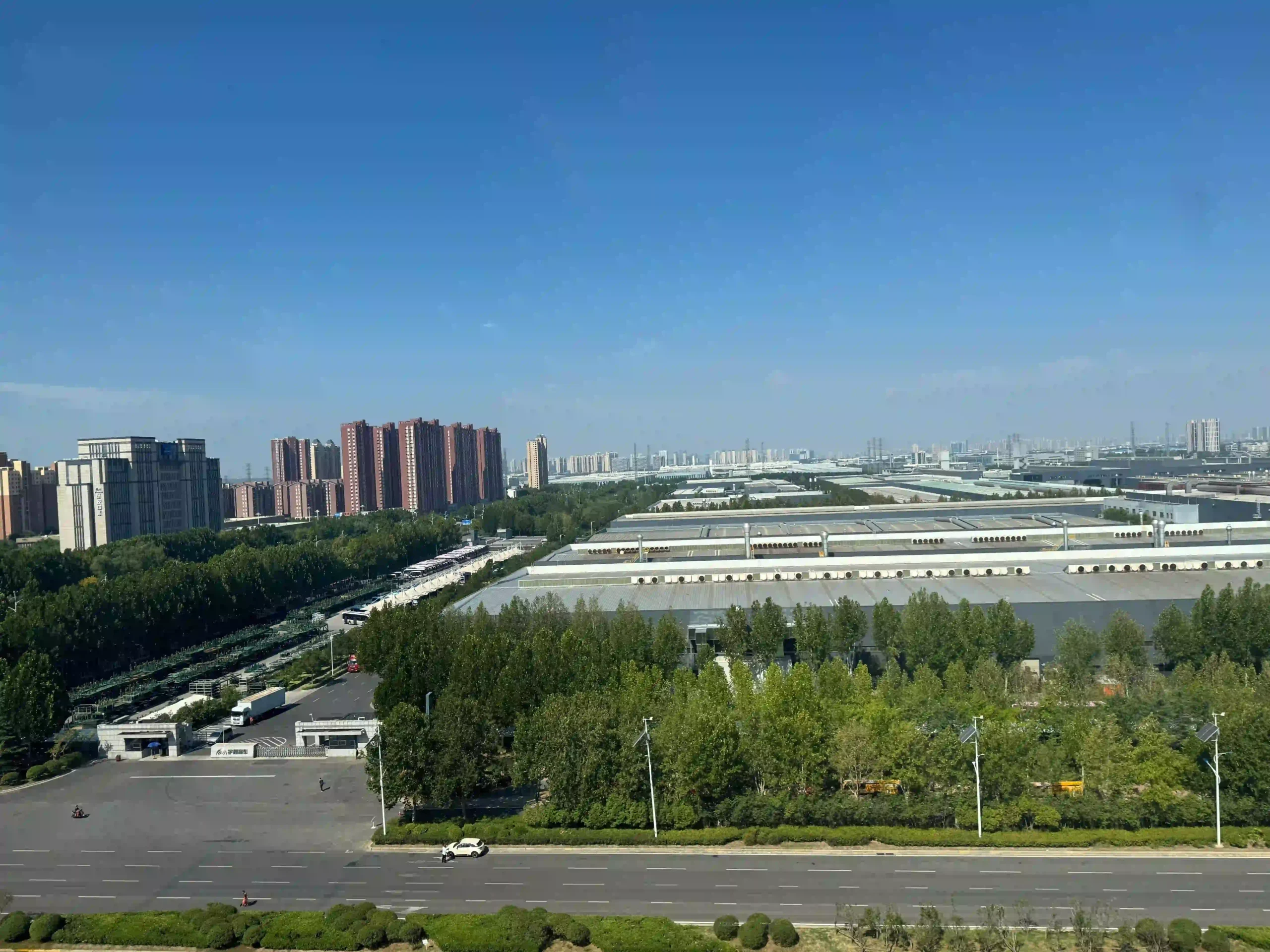
Yutong invited The Business Manual to its headquarters in Zhengzhou Economic and Technological Development Zone, Henan, China. The trip included a tour of the company’s plant, with several buildings dedicated to specific functions such as research and development (R&D), testing, and assembly.
Focus on Innovation, Safety, and Quality
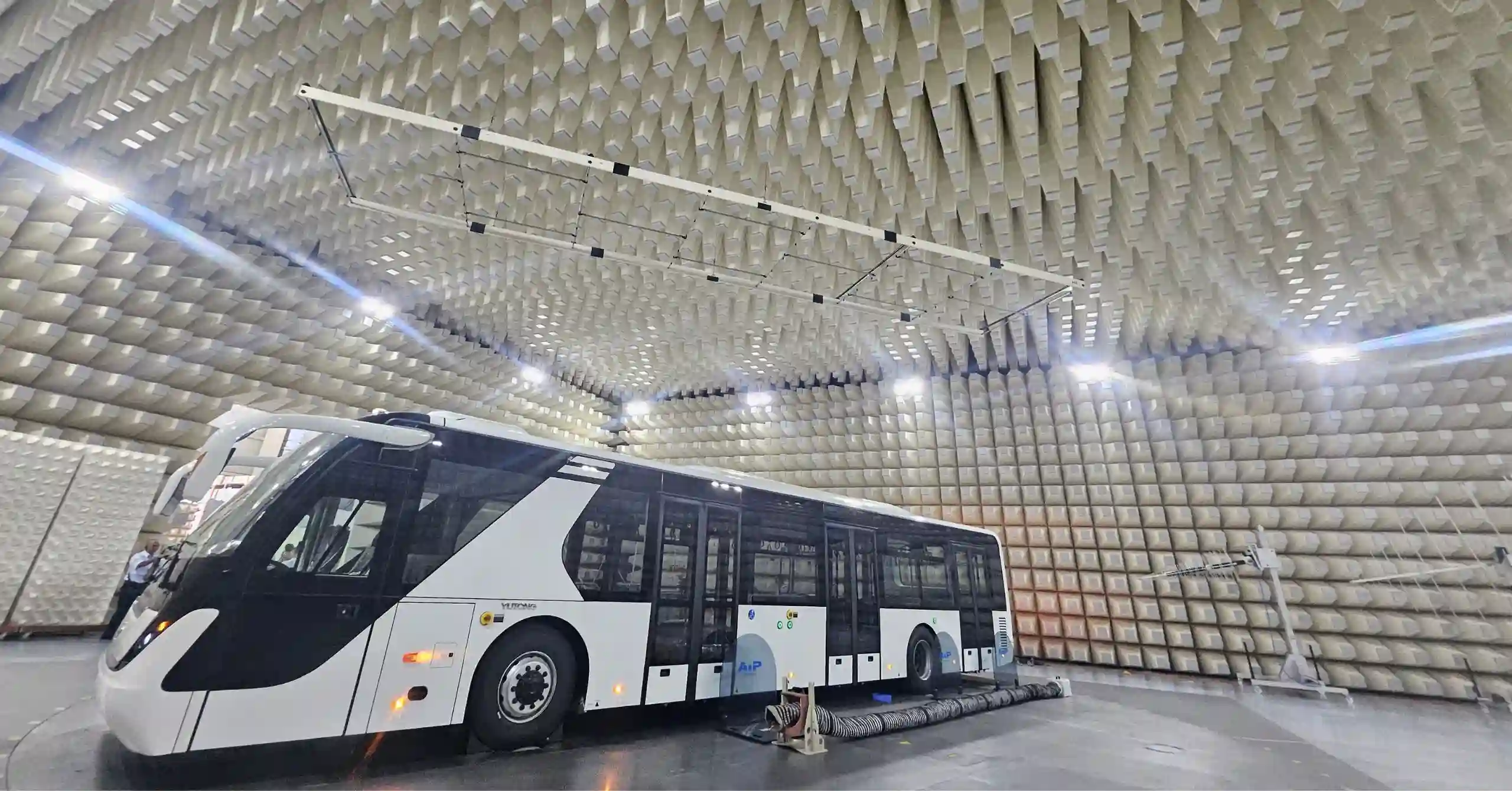
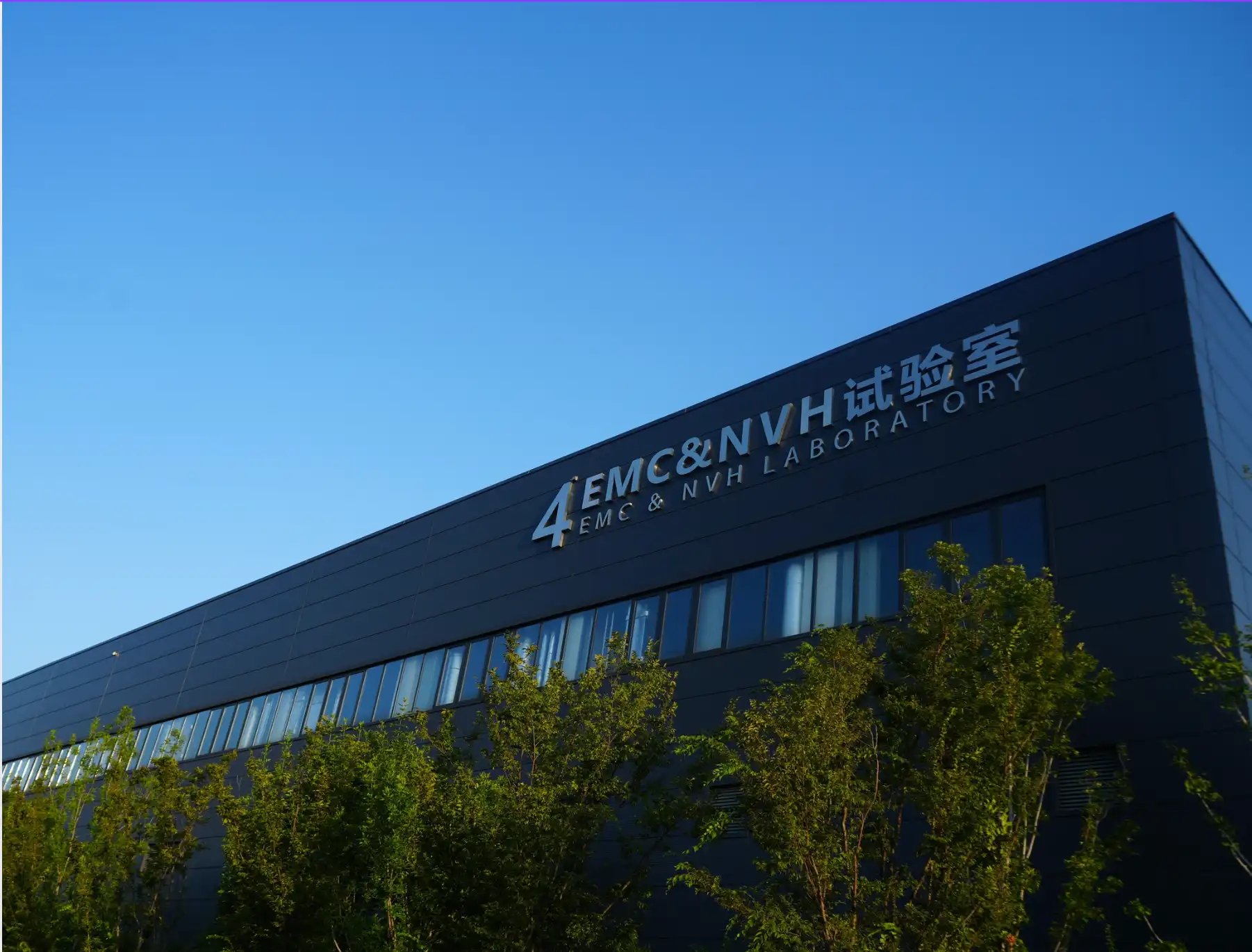
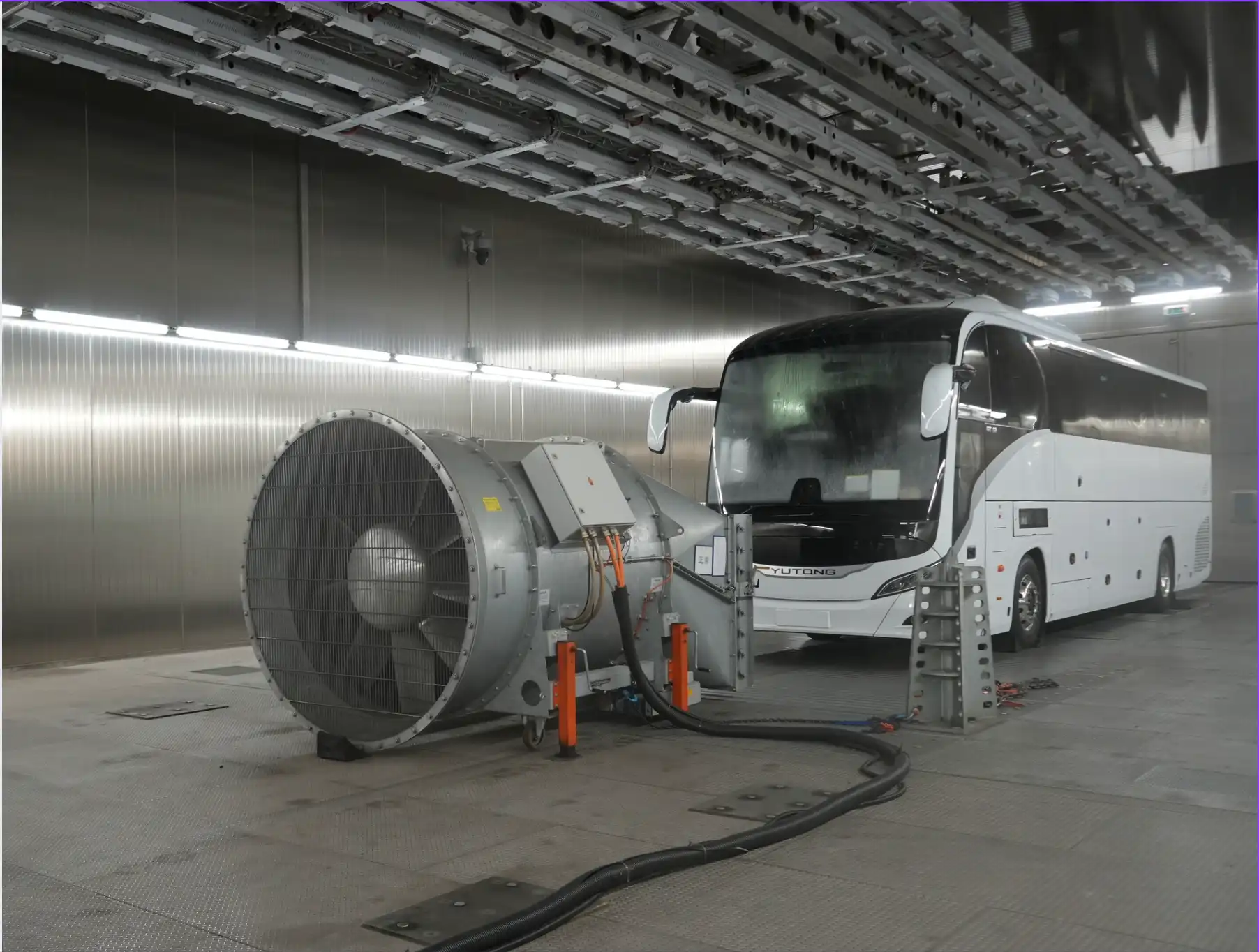
Yutong’s R&D department is a spectrum of experiments conducted in different labs, including the Dynamic Collision Simulation Lab, Environment Simulation Lab, EMC (electromagnetic coupling) Lab, and NVH (noise, vibration, and harshness) Lab. `
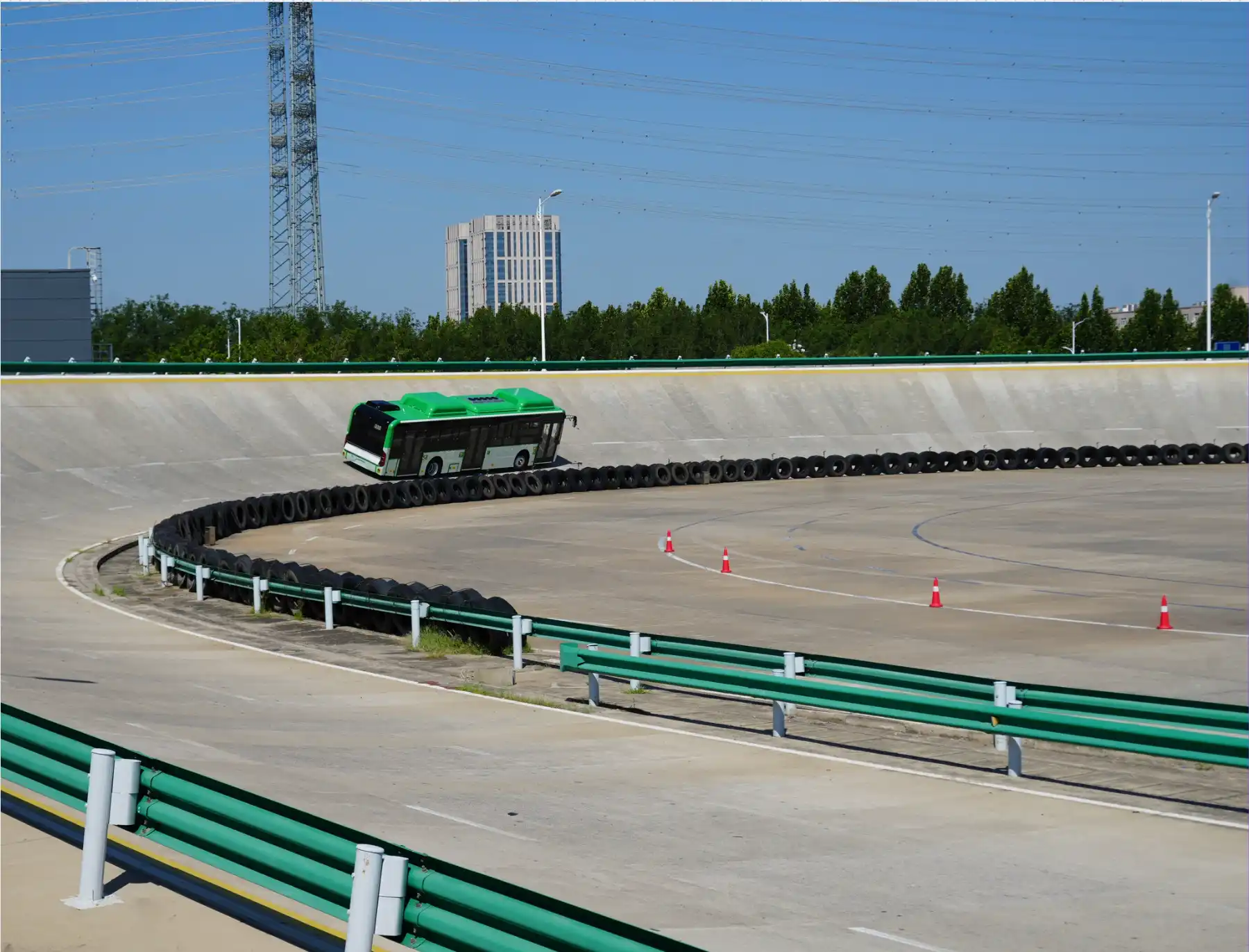
The company carries out extensive testing protocols to guarantee the quality and safety of its vehicles. These include testing in extreme temperatures, speed performance tests, testing for different road conditions, vehicle water testing, vehicle water submerged testing, and collision tests.
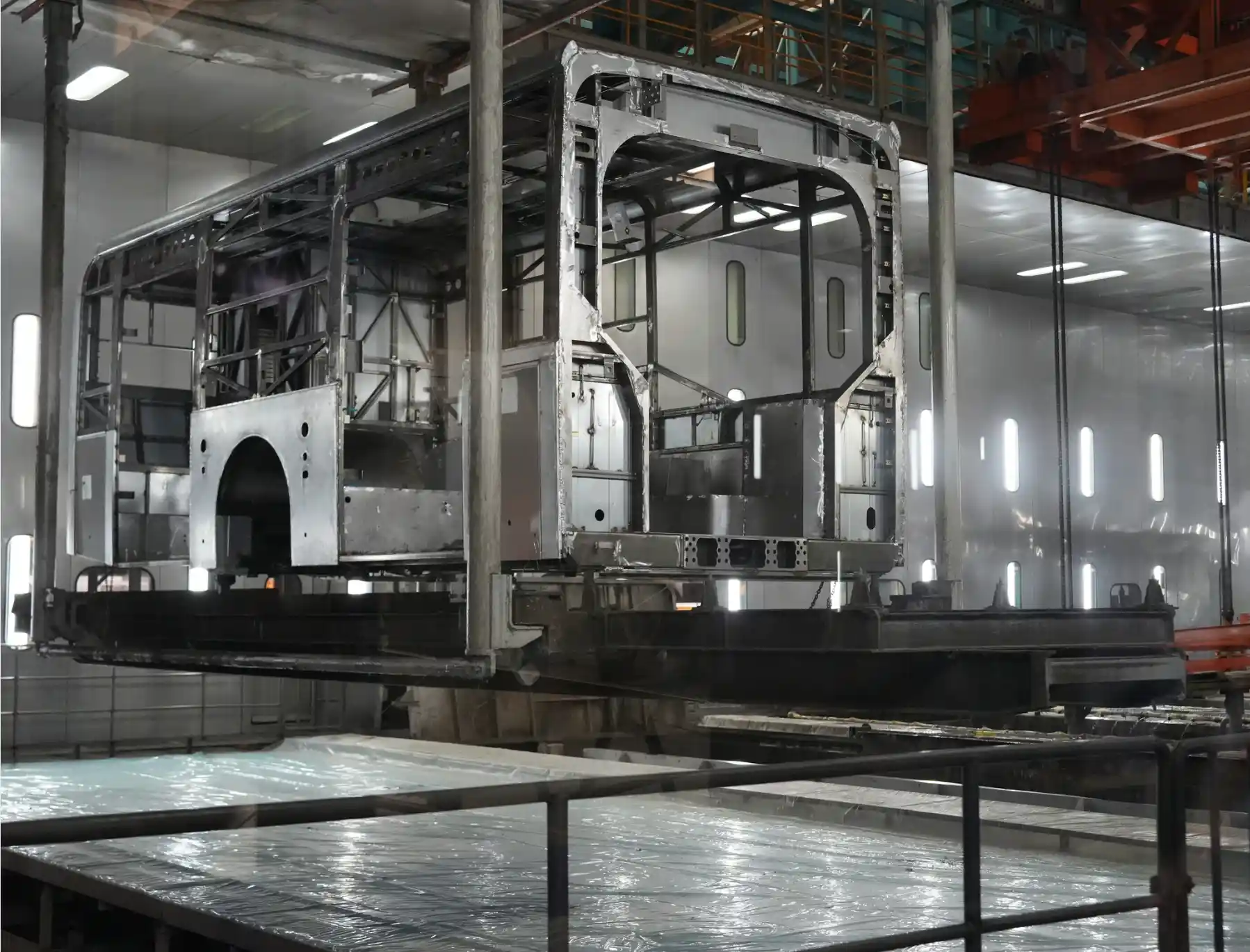
Road adaptability, safety level, and all-weather capability are at the core of the company’s thrust for setting the global standard in the bus industry. Yutong diligently uses its facilities to ensure the quality and safety of each vehicle before it reaches the market.
Intentional and purposeful design is likewise a priority, making it possible to provide optimum comfort and convenience to both drivers and passengers. The company relies on state-of-the-art engineering and robotics to ensure production efficiency. It utilizes industry-first laser-cutting technology, automated welding robots, and automated spray-painting robots during body assembly.
At Yutong, the body of each bus undergoes pre-treatment, electrocoating, and post-treatment to ensure it is fully coated and that no structural corrosion will occur throughout its entire lifecycle.
All vehicle components, from the engine to the batteries and the software, are developed and produced in-house by Yutong’s subsidiaries to ensure adherence to standards and quality control.
New Energy, New Technology
Yutong developed its first battery electric bus in 1999. It has since produced an extensive range of highly advanced electric vehicles (EV) catering to varying needs in different markets. Yutong also manufactures light and heavy electric trucks, rotary drilling rigs, and mining trucks.
The company is the pioneer in the production of new energy (NEV) buses, and independently develops core technologies for NEV batteries, motors, and electric control systems, with established tech platforms for battery electric, hybrid, and hydrogen fuel powertrains.
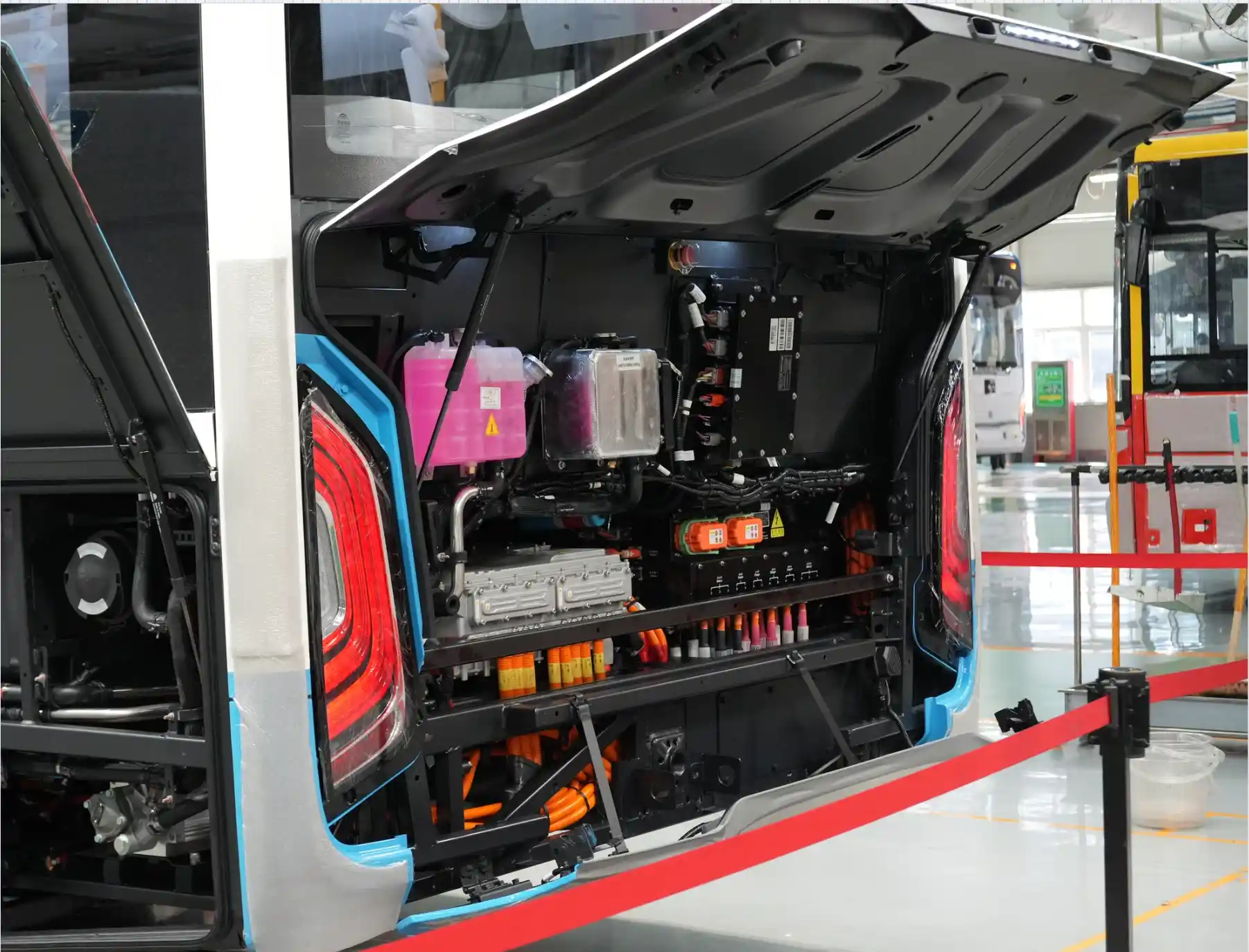
Yutong’s YEA is the industry’s first EV-specific platform to integrate software and hardware. It has two core components: a cross-domain integration architecture with various controllers that serves as the vehicle’s nervous system, and an automotive operating system that enables compatibility and unifies control of all software and hardware components.
Yutong has also developed Link+, an intelligent management platform for fleet operations. It provides smart tools for managing, operating, maintaining, and repairing vehicles. It allows fleet managers to monitor real-time vehicle availability, analyze driving and energy data for efficiency, and enables remote diagnostics to encourage timely maintenance of vehicles–among other functions.
A Bus That Drives Itself
Perhaps the most fascinating of Yutong’s innovations, especially to a first-time passenger, are its autonomous buses.
A bus that drives itself may be unheard of–and impractical–in the Philippines, but in highly developed and vast Zhengzhou, it is a reality.
Aside from autonomous driving, the bus has remote driving and blind spot monitoring capabilities; collaborative beyond-visual-range perception, decision-making, and control; and autonomous charging, parking, and returning features.
This writer, along with other participants of the tour, rode two of Yutong’s autonomous buses. The larger unit was equipped with manual controls—both steering wheel and pedals–and had a driver on standby who temporarily took over whenever the bus came face-to-face with roadworks and obstructions during a brief stroll through the streets of Zhengzhou.
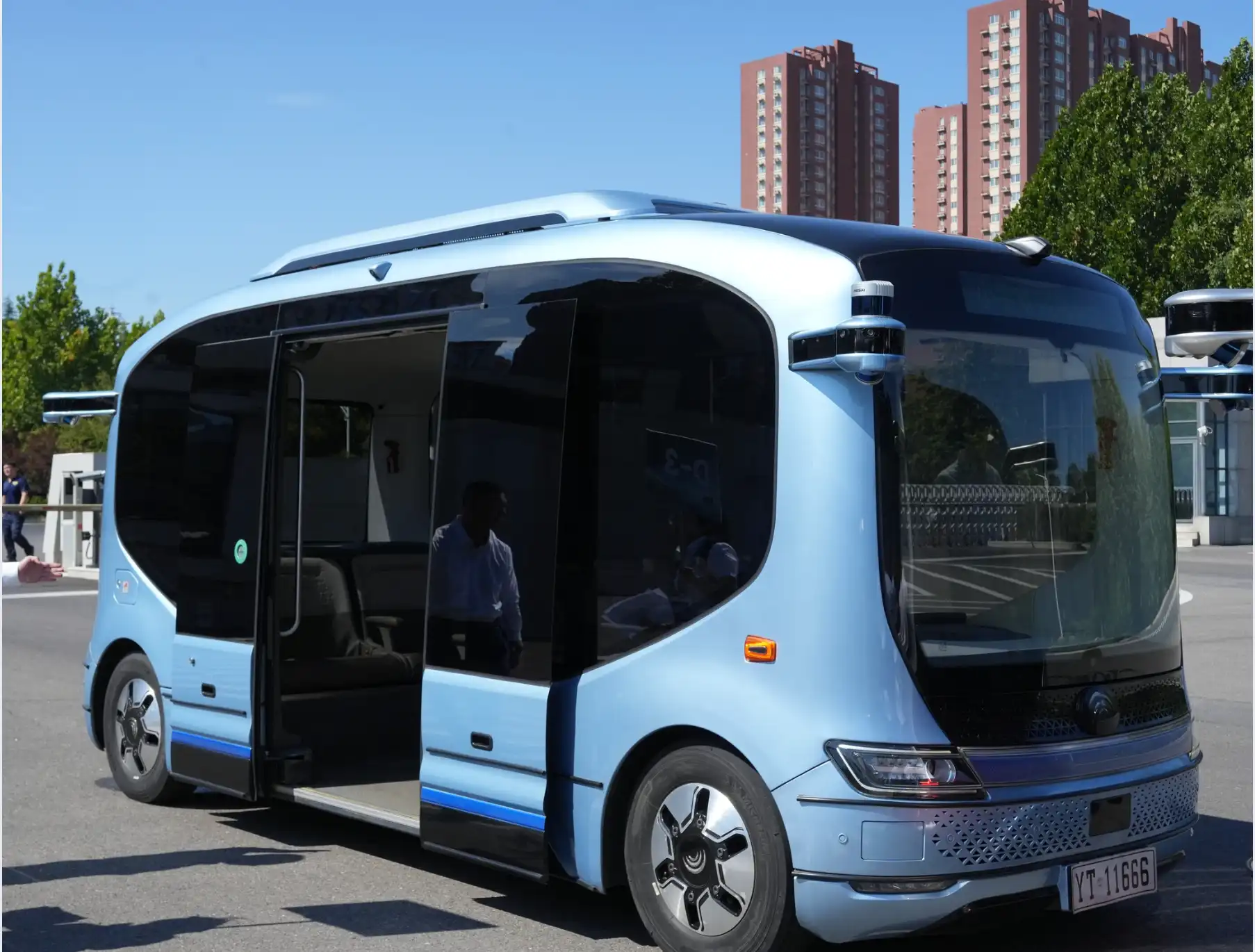
However, the smaller one, the Xiaoyu 2.0, was completely autonomous. No driver was present. Measuring 5.5 meters long and 2 meters high, the bus features a futuristic design that makes it compact yet sleek and surprisingly spacious.
Aboard the Xiaoyu 2.0, the ride through Yutong’s massive compound was steady, safe, and effortless. The bus navigated turns and pathways smoothly without any trouble.
EV Adoption Still a Challenge
In China, every city bus is now electric. But in the Philippines, the transition remains a pipe dream.
While the ownership of privately owned electric cars in the country may be growing with BYD, Tesla, Hyundai, Jetour and other brands entering the scene, the case isn’t quite the same for mass transport.
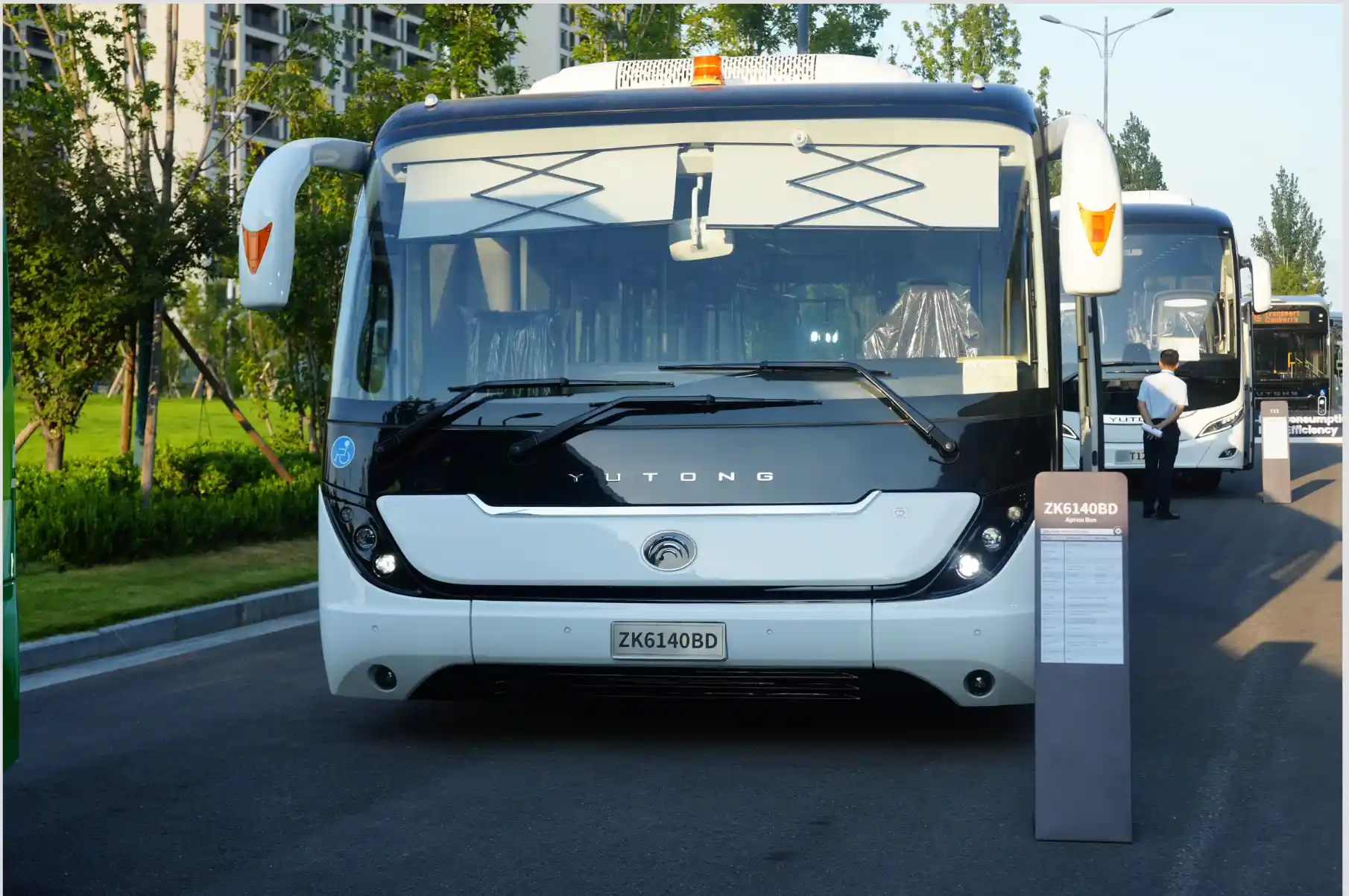
According to Yutong Asia-Pacific CEO Kent Chang, the company has seized over 35% market share in the Philippines, having sold more than 3,900 buses to local operators in 2024. However, its sales remain largely focused on diesel-powered units.
Beyond the steep cost of vehicles, perhaps the biggest hurdles to EV adoption in public transportation lie in securing adequate real estate and building the advanced technology infrastructure needed to operate and sustain a large fleet of electric buses. Bus operators, particularly those that operate round-the-clock, would need to install multiple charging stations in key locations and establish a system to ensure that vehicles are efficiently powered, whether for city routes or long-haul provincial trips.
Until the market becomes ready for such a transition, commuters in the Philippines will have to rely on gasoline and diesel engines for public transport—save for a limited number of upgraded, electric-powered PUVs.
Carbon emissions from motor vehicles, a major environmental concern, will continue to plague the lives of Filipinos. The transport sector contributed 22.8% of the Philippines’ total greenhouse gas emissions in 2020, spanning road, air, sea, and rail systems.
Without intervention, transport emissions are projected to rise by 7.1% annually, potentially reaching 72.6 MTCO₂e by 2030. MTCO₂e is a unit of measurement that shows how much different greenhouse gases—such as carbon dioxide (CO₂), methane (CH₄), and nitrous oxide (N₂O)—contribute to global warming.
Yutong is well-positioned to become a key partner once clean energy adoption becomes viable for the majority of the country’s public transport operators—a transition that hinges on overcoming high costs and infrastructure gaps.
Currently, the company’s portfolio includes battery electric buses, hybrid buses, and hydrogen fuel buses. The company has been at the forefront of developing hydrogen fuel cell buses, a journey it began in 2009.
Yutong’s hydrogen fuel cell buses utilize hydrogen as their energy source, which in turn powers the vehicle’s fuel cell and creates electricity, promising zero carbon emissions. The process generates no carbon dioxide or other harmful pollutants and produces only water vapor as a by-product, aligning with Yutong’s commitment to clean mobility and net-zero initiatives.
Read more:
Ask TBM: How to Encourage the Commercial Adoption of Electric Vehicles
Metro Manila Subway Now 40% Complete, Partial Operations in 3-4 Years