Philippine Ride-Hailing Industry to Become a Billion-Dollar Enterprise by 2029


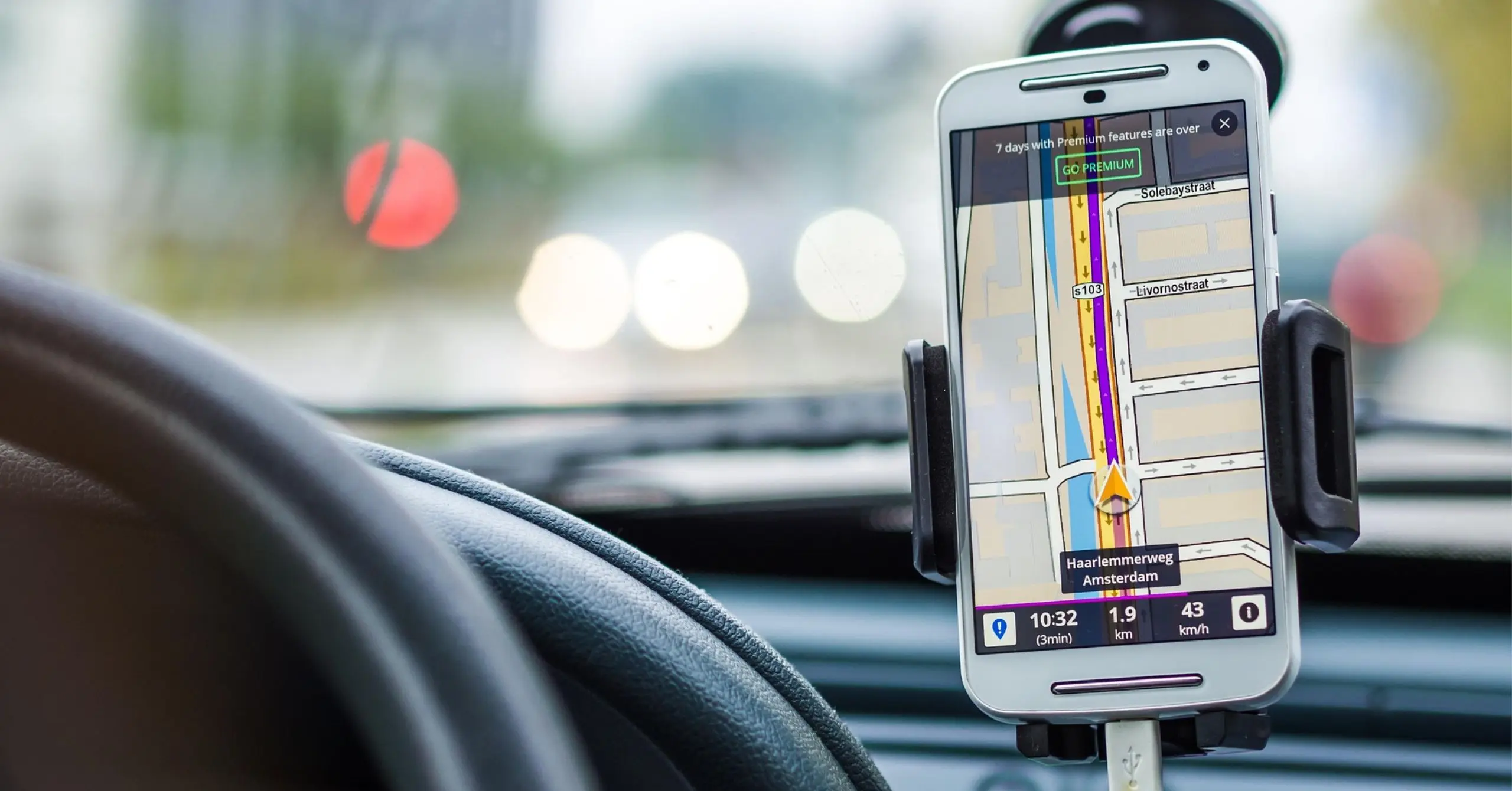
Around 21 million Filipinos are seen depending on ride-hailing apps in the next four years, amidst the lack of better public transport options.
The Philippine Ride-Hailing Industry is projected to grow by 25% in the next four years to over US $1 billion according to the global data and business intelligence platform, Statistica. This is equivalent to over 21 million Filipinos looking for more reliable, safe, and convenient transportation options, amidst a congested and problematic public transport landscape.
In 2025 alone, the booming industry is expected to generate US $804 million in total revenue.
Statistica, sharing a 2024 survey by Rakuten Insight, says that car ride-hailing services have the highest demand, based on 61% of survey respondents, followed by motorcycle ride-hailing services. These services were used by respondents as often as two to five times a week.
Some Key Market Players
Grab Philippines – The dominant industry player, cornering around 90% of the market. Aside from car rides, it also offers motorcycle and taxi services, as well as food and parcel deliveries.
But new players are gearing up to at least get a bigger slice of the car ride-hailing pie:
InDrive – The world’s second most downloaded ride-hailing app, is now one of the fastest growing new players in the Philippines. The company says it is looking to increase its fleet of over 20,000 by as much as 40% by the end of the year.
“We are committed to expanding our services to more areas, aiming to onboard 30% to 40% more drivers in 2025, enhancing our coverage and availability across the country,” discloses Sofia Guinto, inDrive’s Business Development Head.
Since relaunching in the country in June 2024, it has been operating in seven locations: Metro Manila, Cebu, Bacolod, Baguio, Iloilo, Butuan and Cagayan de Oro, and are currently looking at other key cities nationwide.
LalaMove – On-demand delivery platform LalaMove has joined the car ride hailing business via LalaMove Ride, taking advantage of its existing fleet network and wide subscriber base.
Lalamove’s expansion into ride-hailing services was influenced by previous instances during peak seasons when commuters, facing limited options from traditional ride-hailing apps, attempted to use Lalamove’s parcel delivery platform to secure rides. Although the app was not designed for passenger transport, this demonstrated a significant demand for additional commuting solutions. Recognizing this need, Lalamove officially launched its ride-hailing service, Lalamove Ride, in February 2025.
“In the past, several users have considered booking Lalamove out of desperation just to get to their destination but did not go through due to app restrictions. Now that Lalamove’s ride-hailing service is here, partner drivers can expect more orders given the strong demand from commuters,” LalaMove discloses on it website.
The company now targets onboarding up to 15,000 drivers for the first half of the year, starting with Metro Manila, Pampanga, and Cebu as its initial locations.
Angkas – The pioneer and leading motorcycle taxi service in the country has diversified and joined the car ride-hailing sector last year, via Angcars.
Angcars currently operates in Metro Manila and Cebu City. Aside from its current four-seater option, it is planning to add six-seater vehicles, which will be called Angcars Plus.
Current Challenges
Intense Competition
To lure more drivers and get a hold of the market, new entrants are offering lower commission rates and giving a bigger profit share to its member-drivers.
InDrive, for instance, started with a 0% commission rate to immediately increase its driver base. Now at a 10% commission rate, it is still significantly lower than the 20% to 30% cut of other ride-hailing apps.
Employing a similar strategy, LalaMove Ride is getting a mere 2% commission rate from its drivers.
“We’re starting with a two-percent (2%) commission rate, so they get to take home 98 percent of their earnings on top of Panalomove partner driver benefits,” said Djon Nacario, Lalamove Philippines Managing Director.
Regulatory Snags
Both industry observers and players emphasize the need for clear, fair, and consistent regulations. Constant or sudden requirements for new permits or adjustments in fare structures, for instance, are some deterrents that turn off investors.
Driver Retention and Satisfaction
A blog post from North American IT company Prove has put it succinctly— “Drivers are critical to success” in the ride-hailing industry.
Because the drivers are not exclusive to a specific ride-hailing platform, they are free to move around and choose which platform gives them the most return.
“Winning over drivers is an important part of a ride-sharing platform and the main factors that drivers care about are mostly income and flexibility,” says prove.com.
In response, companies are challenged to offer them the best rates and incentives, to make it worth their while.
Passenger Demand Fluctuations
Periods when the supply of drivers is unable to meet passenger demand, particularly during rush hour periods and peak season, are one of the biggest challenges currently faced by both providers and passengers, with no clear solutions yet.
“We’re currently working on solutions to better optimize supply and demand, such as testing surge pricing and exploring other ways to support drivers during high demand periods,” offers inDrive’s Business Development Head Sofia Guinto.
Technological Hurdles
Providers must invest in the right technology that can manage an increasing user base and provide a secure and user-friendly platform.
“This involves investing in a secure, user-friendly technology and ensuring that the app works seamlessly across different devices and networks,” adds Guinto.
A Highly Lucrative Market
Despite current challenges, players still see the benefits outweighing the problems and risks.
The widespread adoption of smartphones—now exceeding 85 million users in the Philippines—combined with the urgent demand for efficient transportation solutions, creates a strong foundation for both established and emerging providers to grow and succeed in the market.
But some analysts say long-term success will depend on the industry players’ ability to balance profits with ethics, ensuring not only profitability but the provision of a safe, reliable, and accessible transportation for all Filipinos.
In doing so, the industry not only reaches its million-dollar milestone but also enhances mobility, boosts productivity, and elevates the overall quality of life for people.