Heritage Meets Modern Design: A Jewelry Maker’s Entrepreneurial Journey


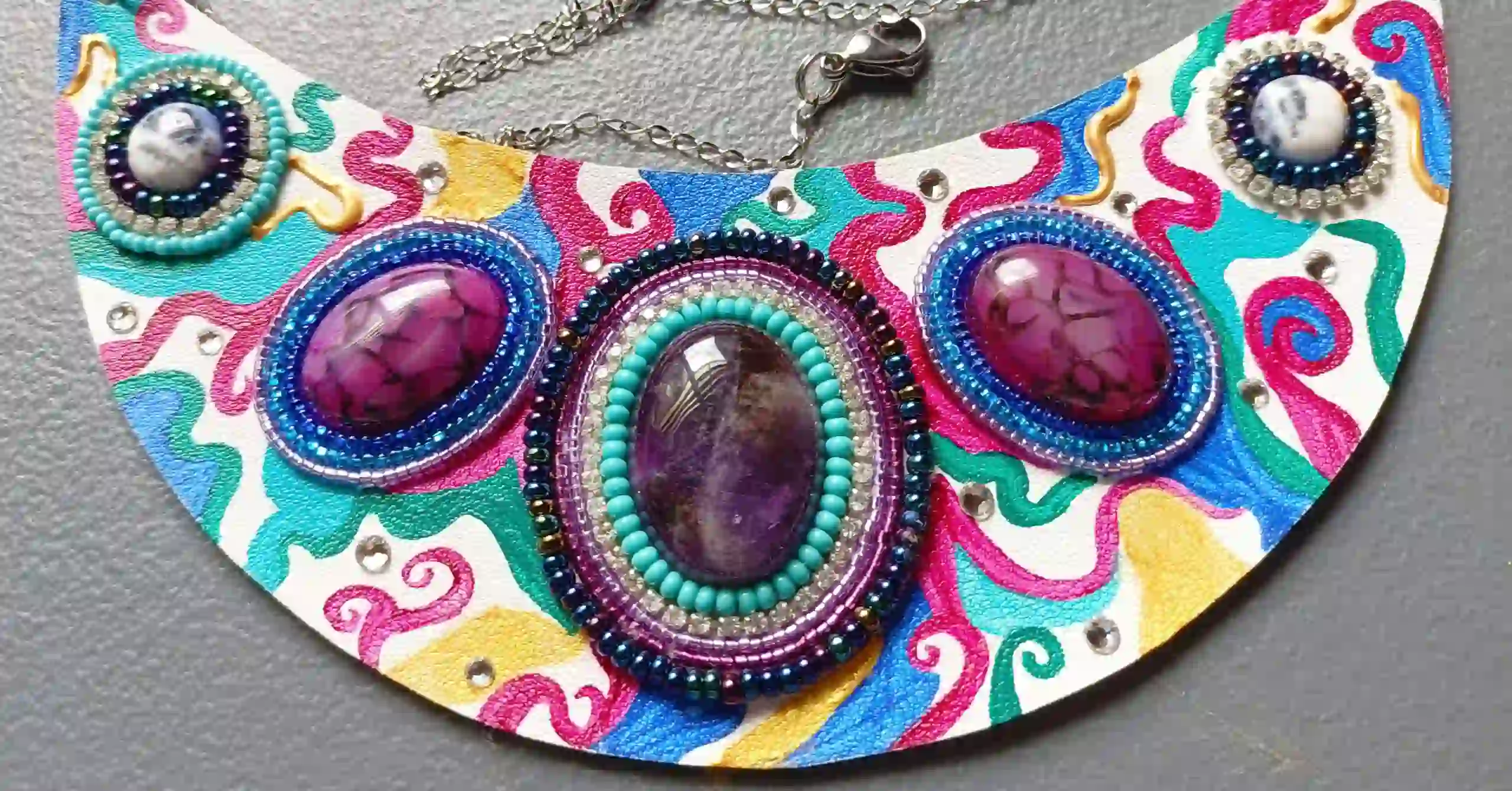
Grettalou Apolinar weaves Cordilleran tradition with contemporary flair—sustainably.
In an industry dominated by fast fashion, visual-artist-turned-entrepreneur Grettalou Apolinar of Yuman Ka-ili Artisanal Handicrafts has forged her own path, blending cultural heritage with a sustainability mindset in her handcrafted jewelry.
Based in Baguio, Apolinar launched her first collection of accessories in 2022, right after her second pregnancy.
She posted her work online and soon gained attention from friends who appreciated her handmade pieces and bought them.
“Little did I know that people were becoming more nationalistic and appreciating handmade works,” Apolinar says in an exclusive interview with The Business Manual.
Recognition Beyond Borders
She caught the eye of the Department of Trade and Industry (DTI) in 2022. Soon after, her collection was featured at AsiaWorld Hong Kong as part of the Belt & Road Art and Culture Forum.
“It validated my design aesthetic and then it started me on the business path. I gained new clients locally and orders poured in,” says Apolinar. “I had a few private foreign clients.”
With no prior business background, Apolinar decided to enroll herself in seminars and training programs in 2023. During the course of her studies, she honed her craft and eventually joined small bazaars.
She then reinvested her earnings, using the money as capital to purchase more supplies and expand her inventory.
She divided her product line into three classifications based on her client’s preferences: the Beaded Collection, the Ethnic Collection, and the Artisanal Accessories.

A former president of the Tam-awan Artists’ Village—the oldest artist group in Baguio—Apolinar joined a competition in 2024 that required her to innovate the Cordilleran weaves.
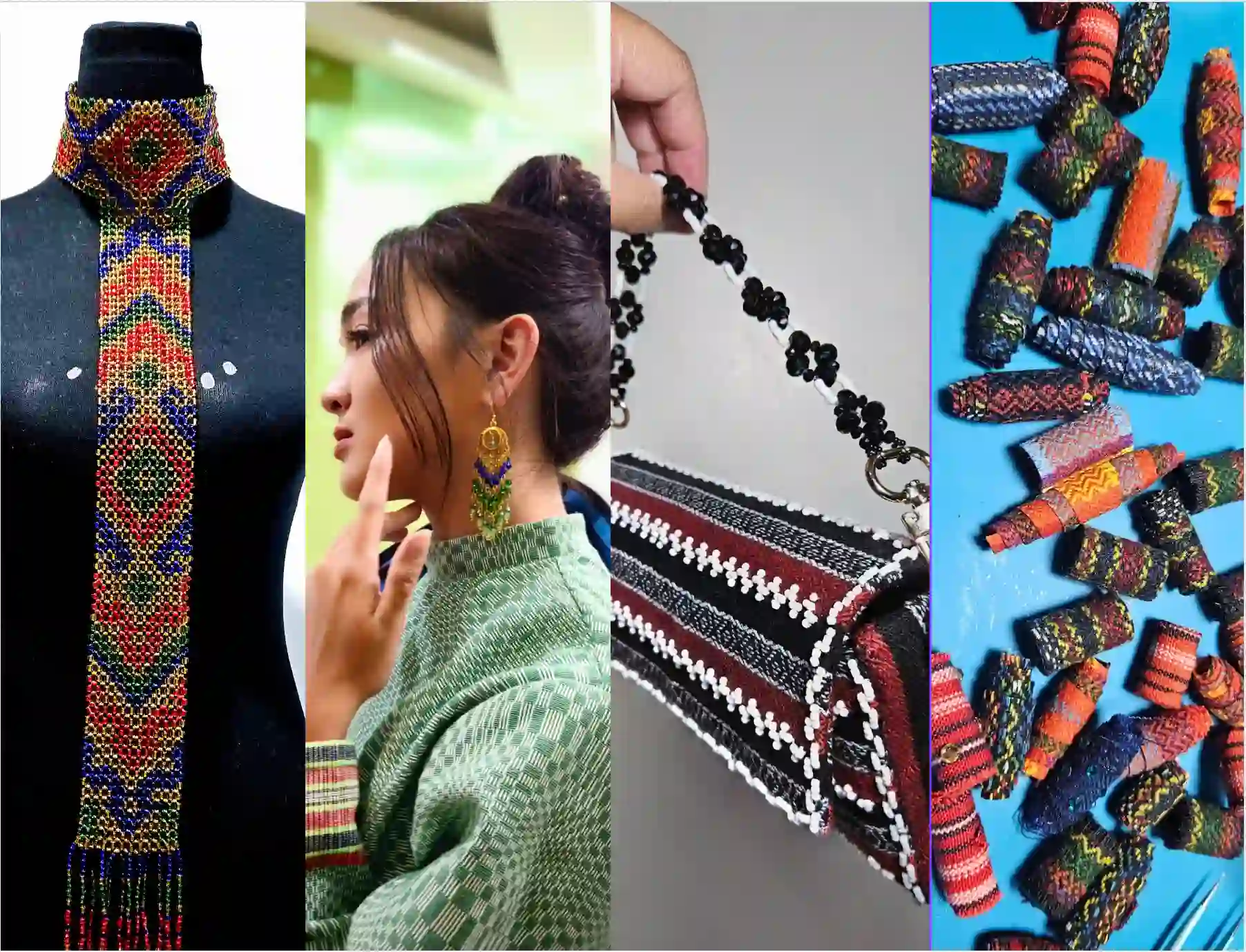
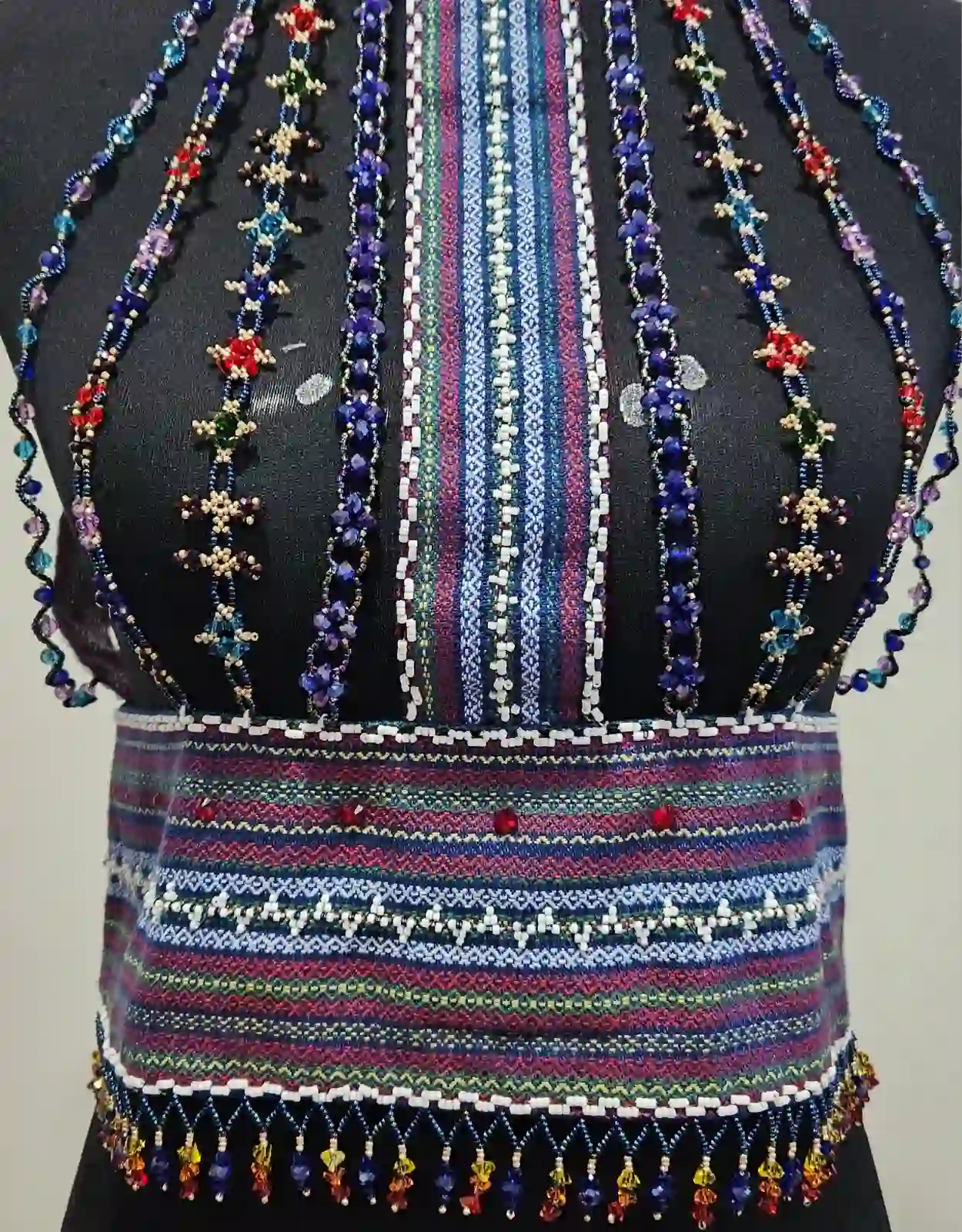
It was her way of testing her product ideas in unconventional ways. She made body jewelry using handwoven textiles and beads.
She won the top prize in the fashion accessories category and caught the attention of the DTI, which provides training programs and sponsors trade fairs.
“My winning helped me achieve my goals of providing or validating that I had a unique creative perspective,” she says. “That we can innovate on the materials that we have and that my product is a breath of fresh air and worth being supported.”
One of Apolinar’s advocacies is to showcase Cordilleran craftsmanship and modern ethnic design on the global stage.
But it is a balancing act.
Materials that Matter
A decade ago, it was a challenge for Apolinar to source her materials. She had to travel all the way to Manila to get them.
With the emergence of reputables stores online, however, Apolinar found more options. To cut down on shipping costs, she asks relatives overseas to bring them home when they visit the Philippines.
“I’m after the authenticity and quality of the semi-precious stones and components from the ones abroad,” she says. “I carefully choose or curate my beads and so it takes time to find the ones that I specifically want and need for particular designs.”
Apolinar only uses glass, crystals, and semi-precious stones in her products. The beads are curated ceramic and made to last, unlike acrylic or plastic. Her other materials are sourced locally, such as those from Kalinga.
Unused woven fabrics are also turned into beads as part of Apolinar’s sustainability mandate. She has also started to source from other provinces in the Cordilleras.
Soon enough, Apolinar faced another hurdle: sourcing unique weaves. The challenge lies in the shortage of skilled weavers capable of recreating unique designs, she says.
Custom weaves require bulk orders—a minimum of 80 yards. This forces Apolinar to design pieces that maximize every inch.
Guided Learning and Mentorship
In 2025, Apolinar joined the DTI’s Kapatid Mentor Me (KMME) online seminars, which provide step-by-step advice, mentorship, and shared facilities to equip micro and small enterprises with tools to succeed.
She learned how to create a business plan, identify key target markets, and segmentize her product offerings. She developed the business into a market-ready venture.
“The aim of the program was to teach us to digitalize and I was one of the new startups they picked up,” she says. “The program was hard work and taught us so much more than just digitalization.”
Apolinar actively promotes her products online. Her efforts extend to trade fairs, specialty bazaars, and fashion shows, along with partnerships with stores.
Soon, she plans to launch a website and establish a presence in other social media channels like TikTok and Instagram.
When she does receive orders online, they are mostly for customization. She customizes pieces for specific audiences.
She also consigns her pieces to various Baguio craft stores, where tourists have shown deep appreciation for her beaded work and crafsmanship.
Reaching Out to a Younger Audience
Yuman Ka-ili’s market includes professionals aged 35 to 65 years old, often attending speaking engagements and conventions.
But mentors have encouraged Apolinar to target Gen Z.
“They make up 20% of the global population and they have incredible spending power,” she says.
Her brand resonates with Gen Z’s values of sustainability and cultural relevance, opening opportunities to reach a younger market segment.
Apolinar sees possibilities. In the past, she has trained young women to replicate her designs for a workshop.
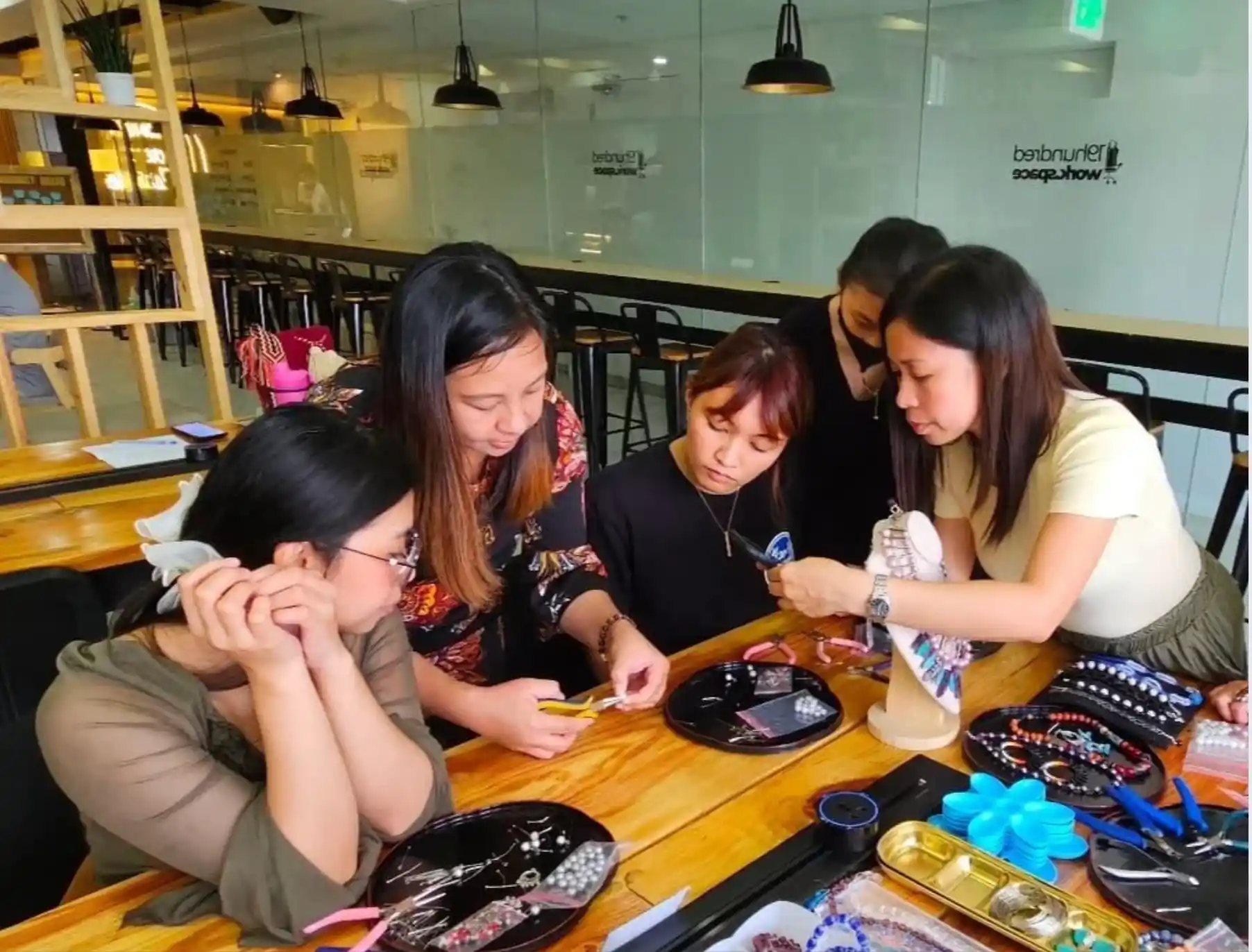
Learning as a Lifeline
Since the beginning of her business journey, Apolinar has not stopped learning.
She believes that the right audience will find you if you keep showing up. “Grab every opportunity that comes by. Exposure is never a bad thing.”
Another lesson Apolinar has learned is the value of listening to her clients. She has been able to sharpen her craft based on the feedback she gets from customers during bazaars and trade fairs.
Apolinar also stresses the importance of finding a mentor, particularly one with expertise in finance. Her own mentors have guided her in making sales projections and encouraged her to develop products grounded in relevant data.
In parting, Apolinar shares this advice: “Put in the work and find a mentor or mentors, be quiet about what you are doing. People will always have something discouraging to say, especially when not entrepreneurs themselves. Take risks, adapt. Just keep going and let success make the noise.”
Read more:
Filipino Footwear Brand Shines in the Asian Market with Sustainable Fashion
It’s Possible to Start a Clothing Business With Just PHP 1,500—Just Ask This Girl Boss
Sustainable Business Success: How These Two Girl Bosses Make Six Figures a Month