Coca-Cola’s Formula Change: A Costly Lesson in Consumer Behavior


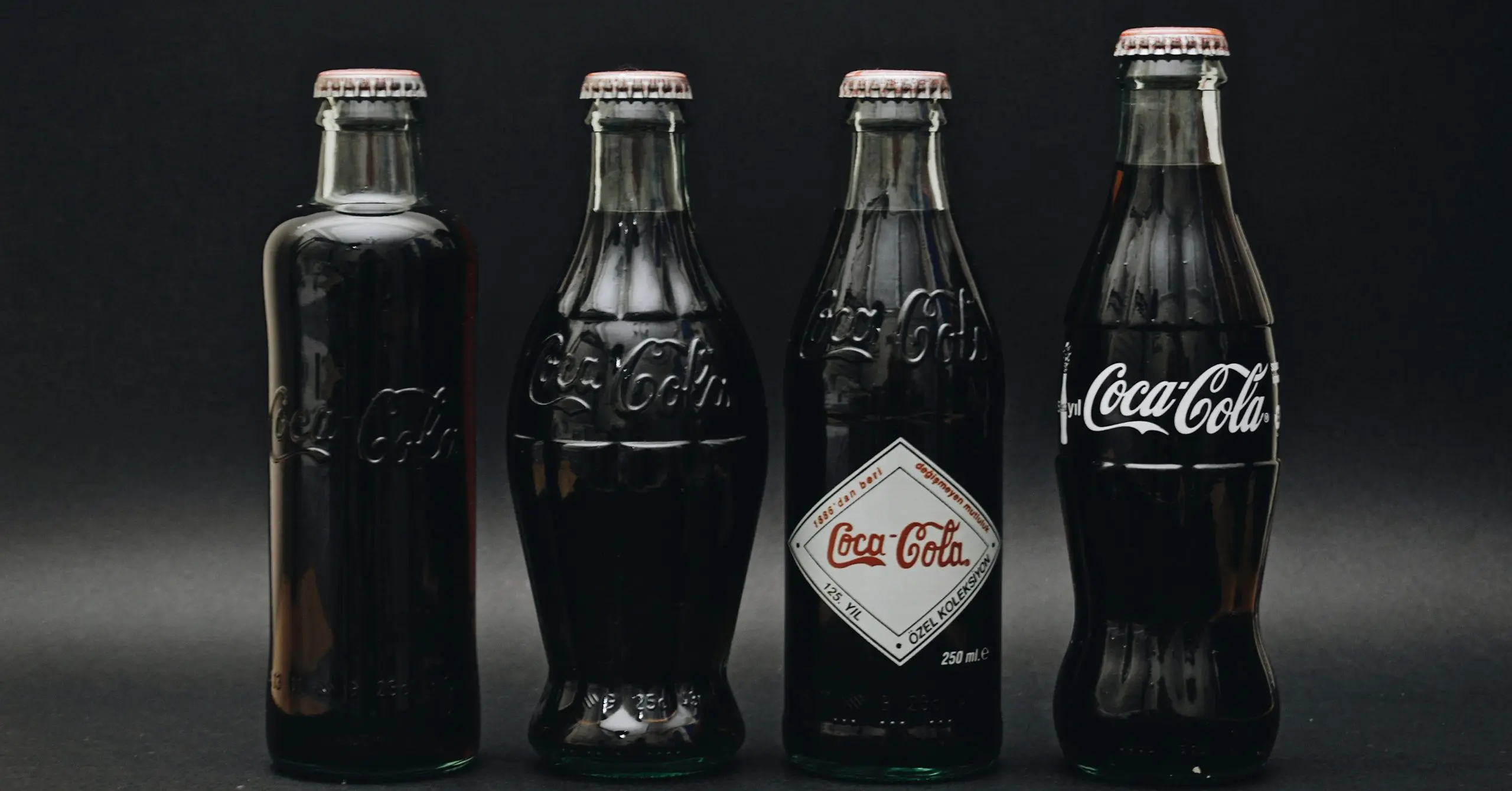
Coca-Cola launched a sweeter version of its iconic drink in 1985—only for it to become one of the biggest product flops in history.
Through the years, The Coca-Cola Company has introduced different versions of its iconic carbonated beverage, including Diet Coke and Coke Zero. Every now and then, the company releases flavored Coca-Cola, such as Coke Vanilla.
Despite all the new flavors it has come up with, good ol’ original Coca-Cola has stayed the same—or has it?
What many Coke fans today don’t realize is that 40 years ago, the company changed the original Coca-Cola formula—for the first time in 99 years.
Did it work out? It’s a resounding no. Here’s what happened.
The Product: Coca-Cola
The history of Coca-Cola began on May 8, 1886. On this particular day, Dr. John Stith Pemberton, a pharmacist, produced the syrup for Coca‑Cola in Atlanta, Georgia.
He brought a jug of the syrup to Jacobs’ Pharmacy, where it was sold as a soda fountain drink for five cents a glass. The drink, which was essentially carbonated water mixed with Dr. Pemberton’s syrup, was described then as “delicious and refreshing,” according to The Coca-Cola Company website.
The drink was eventually named Coca-Cola by Dr. Pemberton’s partner and bookkeeper, Frank M. Robinson, who thought that two Cs would look well in advertising. He then wrote the name in his script, which later became a trademark. Sales averaged nine drinks per day during the first year.
The Coca‑Cola Company was eventually acquired by Asa Candler two years later, and the rest, as they say, is history. As a matter of fact, the Philippines plays a role in Coca-Cola’s history; the company expanded to the country in 1912 for its bottling operations. This marked The Coca-Cola Company’s first expansion into Asia.
The New Product: New Coke
The Coca-Cola formula, considered sacred by countless fans of this iconic drink, has been tweaked through the years, but the taste has remained the same. That was about to change 99 years after Dr. Pemberton came up with the beverage.
On April 23, 1985, The Coca-Cola Company announced that it was changing the formulation of the drink and released a product that became known as New Coke. Coca-Cola altered the formula after watching its dominant lead over its biggest competitor in its primary market steadily narrow for 15 years.
That chief competitor was none other than Pepsi, whose Pepsi Challenge campaign directly influenced the decision to change Coke’s formulation. Blind taste tests in the Pepsi Challenge revealed that consumers favored Pepsi’s sweeter taste profile.
The Coca-Cola Company’s own internal tests yielded the same results, which pushed the company to secretly create a sweeter version of Coke. When tests showed that consumers preferred the sweetened Coke to Pepsi, the company decided to take the risk.
The Sour Reaction
Much to the shock of The Coca-Cola Company, consumers reacted negatively to New Coke. They blasted New Coke for tasting so much like Pepsi. It became very clear very fast that the consumers wanted the original flavor of the iconic carbonated drink.
In fact, consumers panicked over the change to the point that they started hoarding the original Coke to store them at home.
“Some people got depressed over the loss of their favorite soft drink,” the company said on its website. “Suddenly everyone was talking about Coca‑Cola, realizing what an important role it played in his or her life.”
The public made their feelings known to the company. Coca-Cola’s U.S. offices and its 800-GET-COKE hotline received a flood of calls from dissatisfied consumers reacting to the new taste. By June 1985, the company was getting 1,500 calls a day on its consumer hotline.
The change in formula likewise affected The Coca-Cola Company’s performance on the New York Stock Exchange.
In an April 25, 1985 article, The Guardian reported that by lunchtime the previous day, Coca-Cola shares had fallen another $1.50 cents, following a $1.60-cent drop in late trading after the new formula’s official unveiling on Monday—this despite Chairman Roberto Goizueta’s assurances that the taste was “smoother, rounder and bolder, not to mention more harmonious.”
“Reporters disagreed,” it added.
The Return of the OG
In July 1985, around three months after the change in formulation was announced, the original Coke returned as Coca-Cola Classic. The announcement made the front page in newspapers and breaking news on television. Consumers celebrated by making 31,600 telephone calls to the hotline.
Coca-Cola Classic and New Coke were sold at the same time in the market, but Coca-Cola Classic eventually outsold its sweeter-tasting sibling. New Coke was rebranded to Coke II in 1990 before it was discontinued in 2002.
Hard-Earned Lessons
It has been 40 years since what The Coca-Cola Company called the “day that will live in marketing infamy,” and the brand has since admitted that consumer tests failed to reveal a critical truth.
“What these tests didn’t show, of course, was the bond consumers felt with their Coca‑Cola—something they didn’t want anyone, including The Coca‑Cola Company, tampering with,” the company said.
New Coke has since gone down in history as one of the most infamous product flops, but it brings lessons that many entrepreneurs could learn from.
Emotional Attachment and Brand Loyalty
Much of the negative feedback on New Coke stemmed from consumers’ emotional connection and loyalty to the original product. This was something that the company did not take into consideration when the formulation was changed. The company relied heavily on test results.
It underscores how brands should never underestimate the emotional attachment of consumers to products, and how they should take this into consideration when making changes to products with an established appeal to customers.
Failure to account for this may estrange even the most loyal customers, a consequence every brand seeks to avoid.
Easing Consumers Through Changes
Coca-Cola’s approach to launching New Coke ultimately worked against the brand. The sudden change jolted the market, leaving consumers reeling as their favorite drink was abruptly withdrawn.
This goes to show that easing consumers into change, especially when the change is significant, is good practice.
From the onset, The Coca-Cola Company should have offered both the Coca-Cola Classic and New Coke in the market. This would have allowed them to compare consumer reception to both products and make a more informed decision on which to discontinue.
How to Respond to Backlash
What The Coca-Cola Company did right—and what other brands should emulate—is making consumers feel heard and valued.
The backlash to New Coke was swift and loud, and the company responded quickly and owned up to the mistake. The company moved quickly to resolve the problem and underscored its appreciation for the loyalty and concern shown by consumers.
Mistakes are inevitable in business, but what truly defines a brand is how it responds to challenges and criticism. Taking accountability and ownership before making things right is crucial.
Read more:
Spicy Business: Why the Taste of the Popular Sriracha Sauce Changed