Writing a Cover Letter? Here are 5 Tips to Keep in Mind


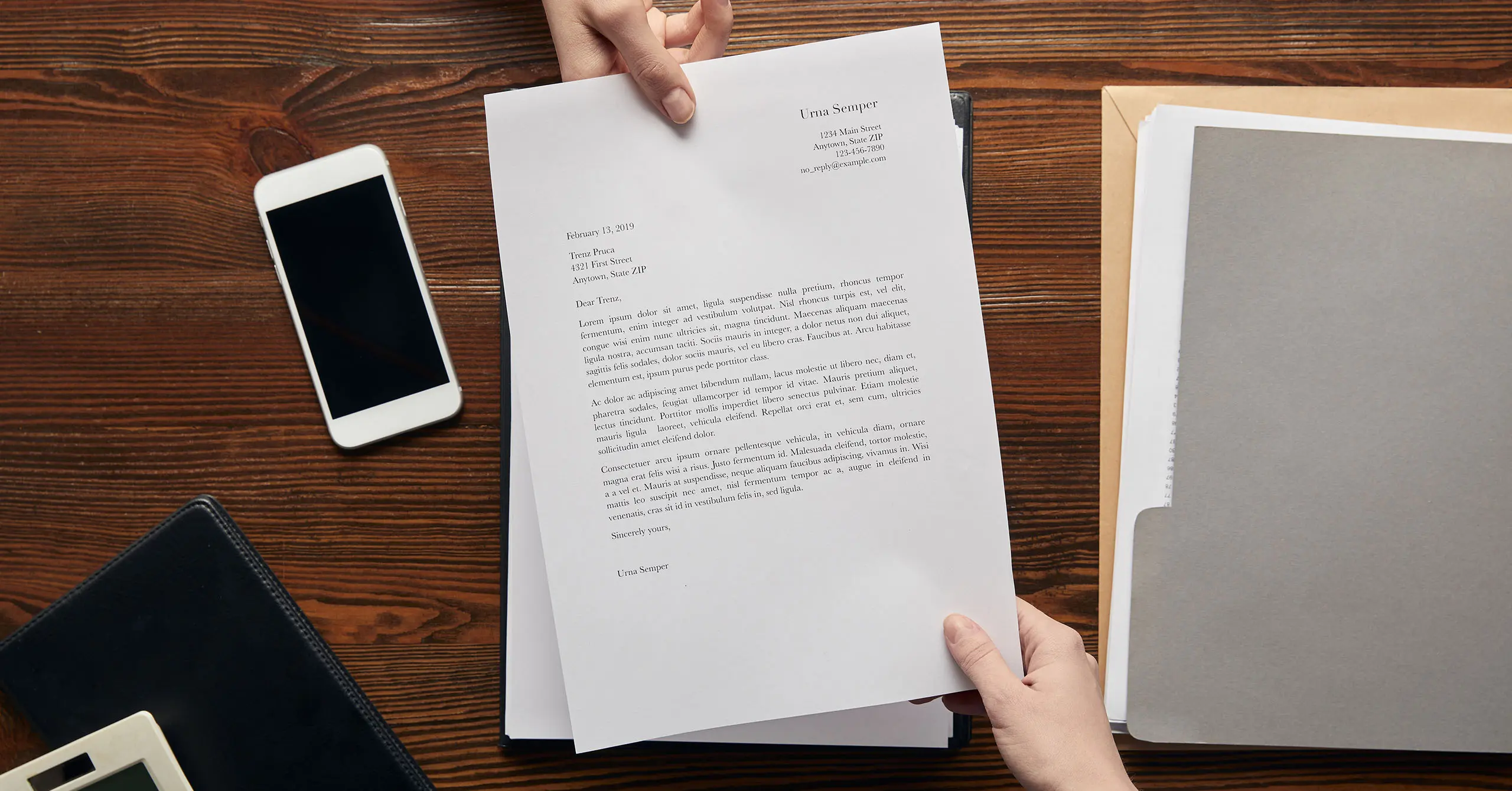
Writing a cover letter can be a challenging part of the job application process, but it can be done.
Countless job applicants have, more often than not, come across job postings that require them to write a cover letter as part of the application. Through this letter, you get to express your interest in the job and explain why you’re a perfect fit for the role.
It may seem like a letter that’s pretty easy to write, but it can spell the difference between your application being considered or just flat out ignored.
When career website Zety surveyed 700 recruiters on cover letters, it found out that 89% actually expect to receive cover letters from job candidates. Aside from this, 8 in 10 recruiters even make recruitment decisions based on these letters.
These numbers underscore the importance of nailing your cover letter, which can go south very quickly if you don’t know what to do.
5 Cover Letter Writing Tips
Here are five important tips to keep in mind as you write your cover letter for your next job application.
1. Do Your Research
Effective cover letters do not abide by the idea of “one size fits all,” as it is considered good practice to tailor your cover letter to the job opening you’re applying for and the company that posted the job opening. Generic ones just won’t do if you want to stand out.
Given this, it is highly recommended that you practice due diligence and research both on the company and the job you’re aiming for. Look at the company’s website and social media accounts to get a grasp of what the company needs and the tone the company usually takes, which you can apply to your letter.
Be sure to also check for company news as well as its mission, vision, and goals. These can help guide you as you write, particularly when it comes to how you can be an asset to the company.
2. Keep It Brief
One of William Shakespeare’s most famous lines in Hamlet rings true when it comes to writing your cover letter as, indeed, “Brevity is the soul of wit.”
Recruiters do not like receiving very long, multi-paged cover letters. The Harvard Business Review actually recommends keeping the length under a page. This can be challenging, especially with the amount of information and explaining to be included, but avoid making your cover letter another version of your resume.
It’s important to organize what you want to say and filter out what’s necessary and what can be left out. When writing the letter, go straight to the point and be succinct. It also won’t hurt to ask a trusted colleague or mentor to edit and proofread your letter so that mistakes can be corrected, and you can get feedback about what you’ve written.
3. Start Strong
When writing a cover letter, start strong by opening with a sentence that will immediately catch the recruiter’s attention. This doesn’t mean, however, that you shouldn’t introduce yourself or express your enthusiasm in applying. It should just be done more creatively in a way that hooks the person reading it.
You can start by mentioning an achievement that is related to the job you’re applying for or expressing why the job is exciting and appealing for you. You can likewise opt to include a relevant statistic or insight that will set you apart from the other applicants vying for the same job.
4. Showcase Your Relevant Set of Skills
While your cover letter isn’t meant to rehash everything you placed in your CV or resume, it is still good practice to briefly include your skills that are relevant to the job you’re applying for.
It goes without saying that you should include the applicable hard or technical skills, but don’t forget to include soft skills as well, such as communication skills, organizational skills, and teamwork skills. Do not forget to include examples that illustrate these skills, and make sure to avoid any exaggerations.
If you’re not quite sure what hard and soft skills are, be sure to check out this comprehensive list previously published on The Business Manual.
5. End Strong
It won’t do you any good to start your cover letter strong, only to end it vaguely and in a very generic way. If you start strong, you should end strong as well.
Even as you end your cover letter, be sure to be respectful and to convey your enthusiasm for the job. However, you need to avoid sounding pushy, goofy, and very desperate for the job.
Provide an appropriate and formal closing, and do not forget to say thank you. You can likewise opt to include a call to action, which can signify your enthusiasm and even open the opportunity for a follow-up.
Key Takeaways
You apply for a job because you want the job, and this should be confidently and enthusiastically conveyed in your cover letter. In order to do this, the cover letter should include your relevant skills, sound both enthusiastic and professional at the same time, and answer why you’re a good fit for the company and how you can help it achieve its goals.
While it is important for your personality and skills to shine, it does not mean that you can exaggerate or even include things that are not true. Professionalism is still key at the end of the day.