Why Should CEOs Train Like Athletes? 5 Leadership Lessons for Sustainable Success


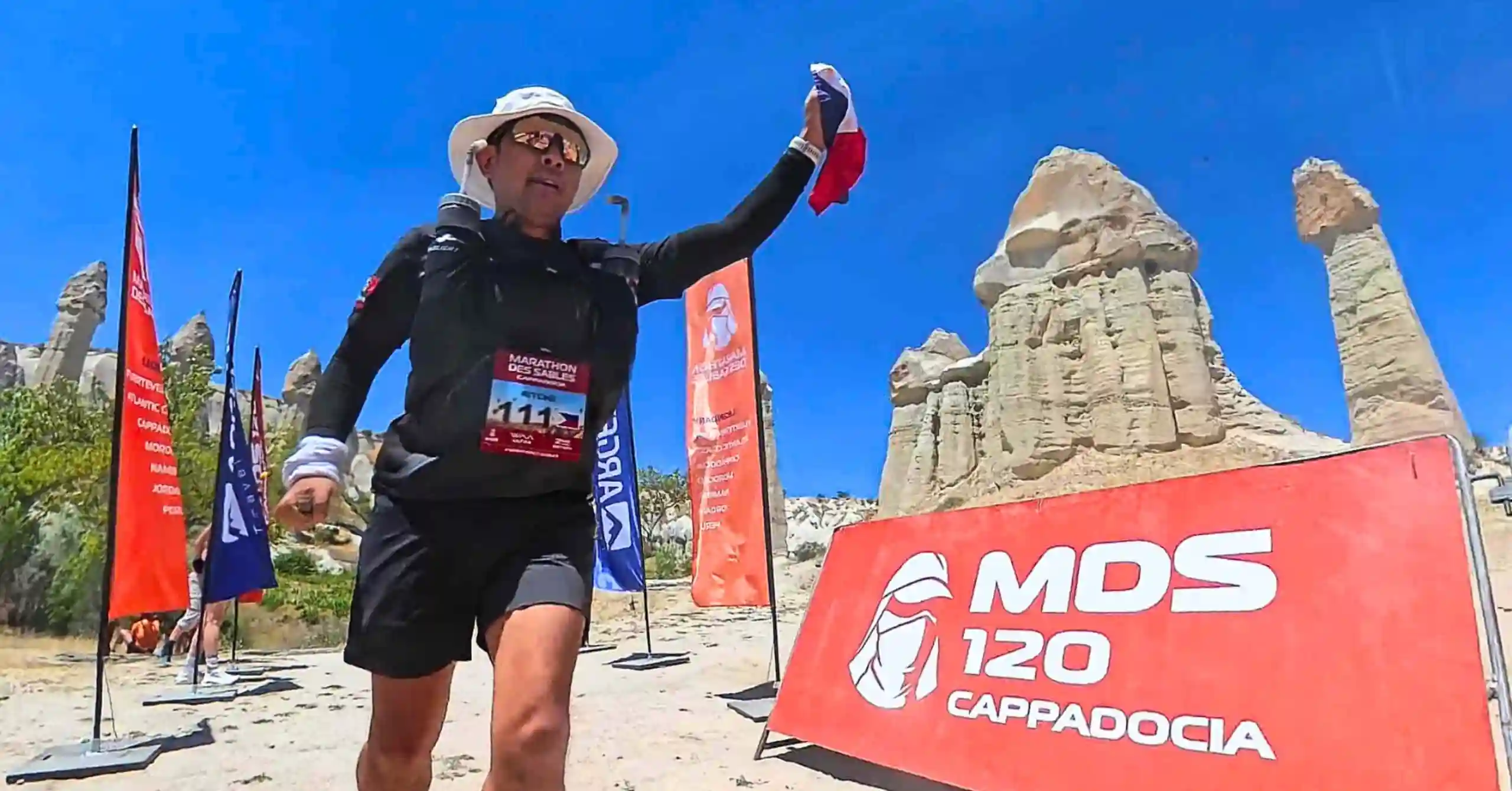
An ultra-trail runner and CEO shares lessons from his playbook.
Ultra-trail running isn’t your average weekend jog. It’s a grueling endurance sport that takes runners through mountains, jungles, deserts, and long, winding trails. It’s tough and often includes significant ascents and descents. Ultra-trail running is a niche that’s increasingly growing in popularity. And for Ritche Evidente, it’s more than just a hobby—it encourages a mindset that shapes how he leads one of Southeast Asia’s top medical laboratories.
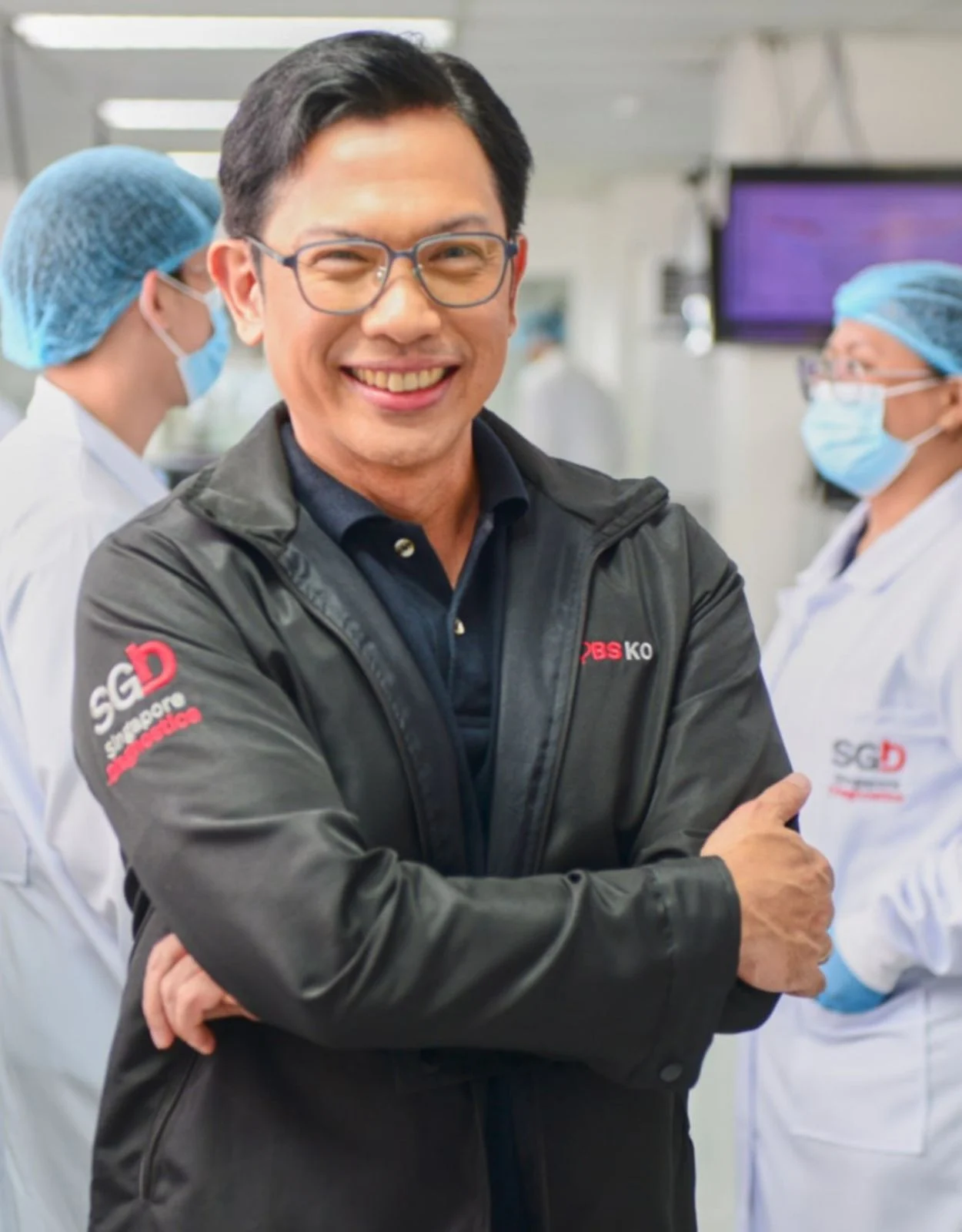
Ritche, who humbly calls himself “just a little better than average” as a runner, brings the same discipline and passion from the trails into his role as CEO of Singapore Diagnostics (SGD) and Regional Director of Pathology Asia.
“Real performance—whether on the trail or in the lab—is all about clear processes, recovery, feedback, and relentless fundamentals. There are no shortcuts,” Evidente says.
How does Evidente’s playbook as an athlete translate into leadership lessons? Here’s a breakdown:
1. Don’t Sprint Every Quarter—Periodize Your Year
In ultra-running, you don’t go all-out every weekend. Training is slow, steady, and intentional. According to Ritche, peak performance is something you build toward over months.
“We don’t chase personal records every week. We train slowly, build fundamentals, and time our peak for race day,” Ritche says.
SGD utilizes a similar approach. The team sharpens its fundamentals at the start of the year, scales operations by mid-year, and gears up for peak performance when it matters most—especially during board reviews.

2. Recovery is a Performance Metric
Athletes know that overtraining leads to burnout or injury. Recovery isn’t optional, and must be scheduled and strategic. “We all need time to heal, evaluate, and adjust,” Ritche says.
In the lab world, being in a constant rush leads to risk. External audits and accreditations serve as rest days, forcing teams to pause, review, and refine. Ritche believes leaders need the same kind of discipline that enables them to safeguard time for focused work, adequate rest,and sound decision-making routines to sustain performance.
3. Master the ‘Boring’ Stuff
Success in ultra-trail racing is built on countless little choices, from managing fuel and hydration to perfecting gear and foot placement. These choices are not glamorous, yet essential. At SGD, the ‘boring’ stuff includes world-class standard operating procedures, traceability, and process control. These ensure that test results from remote laboratories consistently match those from the central reference lab.
“All those tiny decisions become muscle memory,” Ritche says. “Excellence isn’t built in the trophy room—it’s built in the paperwork.”

4. Build a Coaching Stack and Feedback Loops
Athletes have coaches who tell them the hard truths. They also rely on wearables, data, and peer communities for feedback. Executives need the same. Ritche’s “coaches” include mentors, peer circles, and a strong internal data system that treats every report as a performance metric.
“Just like athletes track heart rate zones and sleep scores, leaders need metrics to guide their decisions,” he says.
5. Play for Durability, Not Virality
Chasing headlines can exhaust teams. Ritche champions durability—focusing on sustainable growth, team stability, and consistent decision-making under pressure. It may not be glamorous, but for Ritche, it wins.
Singapore Diagnostics lives this mission: making world-class diagnostics accurate, affordable, and accessible. And it’s not just talk—the company has earned three consecutive “Diagnostics Provider of the Year” awards and maintains top-tier accreditation from the College of American Pathologists.
In a field where precision can mean the difference between life and death, leadership can’t be left to chance. Ritche Evidente’s message is clear: train like an athlete—not for appearances, but to build the discipline and consistency of a leader who delivers, time and again.