A Guide to Starting Your Own Travel Agency: Key Tips for Success



The founder of a travel agency opens up about how she started her business and shares practical tips for future entrepreneurs.
Tourists rely heavily on travel agencies when they travel, both domestically and internationally. Agencies can book flights, secure accommodations, apply for visas, and even plan day-to-day itineraries, providing convenience and a hassle-free experience to frequent travelers.
For aspiring entrepreneurs who love to travel, setting up a travel agency may seem like a viable business opportunity. However, like any business, starting one is more complex than simply booking flights and hotel rooms.
In celebration of World Tourism Month this September, The Business Manual explores the travel agency business—its challenges, opportunities, and what aspiring entrepreneurs must understand before starting their own venture.
A Background in Tourism Helps

When starting a travel agency, passion for travel is not enough. You need to have a background in tourism or any related field, according to Sheila Panes Guimalan, who founded Royal Destination Travel and Tours Inc. 11 years ago.
While a tourism degree is not a must to start a travel agency, having the right background has its benefits. For aspiring entrepreneurs without a background in tourism, pursuing further education or training can be highly beneficial.
“When I started 11 years ago, one of the most important steps I took was to invest in training and continuously equip myself with industry knowledge,” says Guimalan in an interview with The Business Manual. “Understanding tourism trends, customer service, travel regulations, and even basic business management gave me the confidence to navigate challenges and build credibility with clients and partners.”
Eliminating Misconceptions
Any aspiring entrepreneur looking to start a travel agency must let go of the misconception that having one is easy money before getting started .
“The truth is, this business requires a lot of hard work, dedication, and constant learning,” says Guimalan. “Behind every successful booking is careful planning, research, negotiation with partners, and ensuring the client’s entire journey runs smoothly.”
Guimalan also hopes aspiring entrepreneurs will disregard the misconception that one must be wealthy or well-connected to succeed in this line of business.
“While having resources helps, what truly matters is perseverance, building trust, and continuously upgrading your knowledge of the industry,” she points out. “I started with very little, but by investing in training, building relationships step by step, and delivering excellent service, I was able to grow the business.”
“I want aspiring entrepreneurs to know that this industry is not just about sales—it’s about passion for service, creating experiences, and building lasting relationships,” the Royal Destination Travel and Tours founder adds. “If you are willing to commit to that, then the rewards—both financial and personal—are worth it.”
Applying for Licenses, Accreditation
Like any business, a travel agency needs permits and licenses to get started. For Guimalan, applying for the necessary licenses and permits does not just allow a business to operate legally—it also builds credibility.
“When I first started, I registered as a Sole Proprietor with the Department of Trade and Industry (DTI), and later on, after two years, I converted the business into a corporation through the Securities and Exchange Commission.”
As part of the process, Guimalan also had to apply for Barangay Clearance, followed by the Mayor’s/Business Permit. She also registered with the Bureau of Internal Revenue for tax compliance.
To further build credibility for her travel agency, she secured accreditation from the Department of Tourism.
“This accreditation not only legitimizes a travel agency but also strengthens its reputation as it assures clients and partners that the business adheres to industry standards,” Guimalan explains.
Selecting Travel Destinations
With thousands of options to choose from, selecting destinations to offer clients can be tricky. Guimalan considers market demand, client preferences, and the overall value of the travel experience when trying to come up with a list of destinations.
Specifically, there are four factors that affect her decision-making process.
Trends
For Guimalan, looking at trends or what destinations are currently popular or emerging among travelers is an important step in determining what her business will offer tourists.
“I also study data on flight accessibility, visa requirements, safety, and affordability, because these factors heavily influence a client’s decision to travel,” she says.
What the Destination Offers
She likewise looks at the uniqueness of a certain destination and the quality of the experience it offers. This includes studying the richness of culture, natural beauty, or adventure opportunities in that location.
“I want to make sure that our clients gain not only leisure but also meaningful memories,” Guimalan explains.
Partnerships and Supplier Support
Another important factor is the availability of partnerships and supplier support in a particular destination.
“Having reliable hotels, tour operators, and local contacts ensures smooth operations and better customer satisfaction,” Guimalan notes.
Firsthand Experience
While research and data can provide useful insights, Guimalan still makes sure she experiences the destinations and services firsthand before offering it to the market.
“This way, I can confidently guarantee that what we promote is truly worth our clients’ time, trust, and investment,” she says.
Finding the Right Suppliers
Partnerships with suppliers are crucial for travel agencies, and for Guimalan, she must know her suppliers personally, and her relationships with them must be built on trust. She reiterates the need to personally experience the services, stressing that it’s not enough to rely on brochures or promises.
“This allows me to see firsthand if they meet the standards of quality, safety, and comfort that my clients expect,” she explains.
Guimalan also looks for professionalism, consistency in service, transparency in pricing, and a strong reputation in the industry when selecting a supplier to work with.
“I also value partners who are responsive, flexible, and willing to collaborate for the best client experience,” she adds.
On the other hand, her red flags include poor communication, hidden charges, lack of safety measures, and negative feedback from past clients.
“If a partner cannot deliver consistent quality or does not align with our values, then they are not the right fit for our packages,” says Guimalan.
Striking a Mutually Beneficial Service Agreement
The work doesn’t end with finding the right suppliers. The next part entails crafting a service agreement that is beneficial for both parties. Doing so ensures both parties fully understand the terms of the partnership.
“These agreements often cover preferential rates, discounts, inclusions, payment terms, and responsibilities—creating a win-win relationship,” Guimalan points out. “I definitely recommend this to aspiring travel entrepreneurs because it not only protects your business legally but also strengthens your credibility and bargaining power.”
“Having clear agreements helps avoid misunderstandings, ensures consistent service quality, and allows you to pass on better value to your clients,” she adds. “In the travel industry, strong partnerships built on transparency and trust are key to long-term success.”
Putting Together a Strong Package
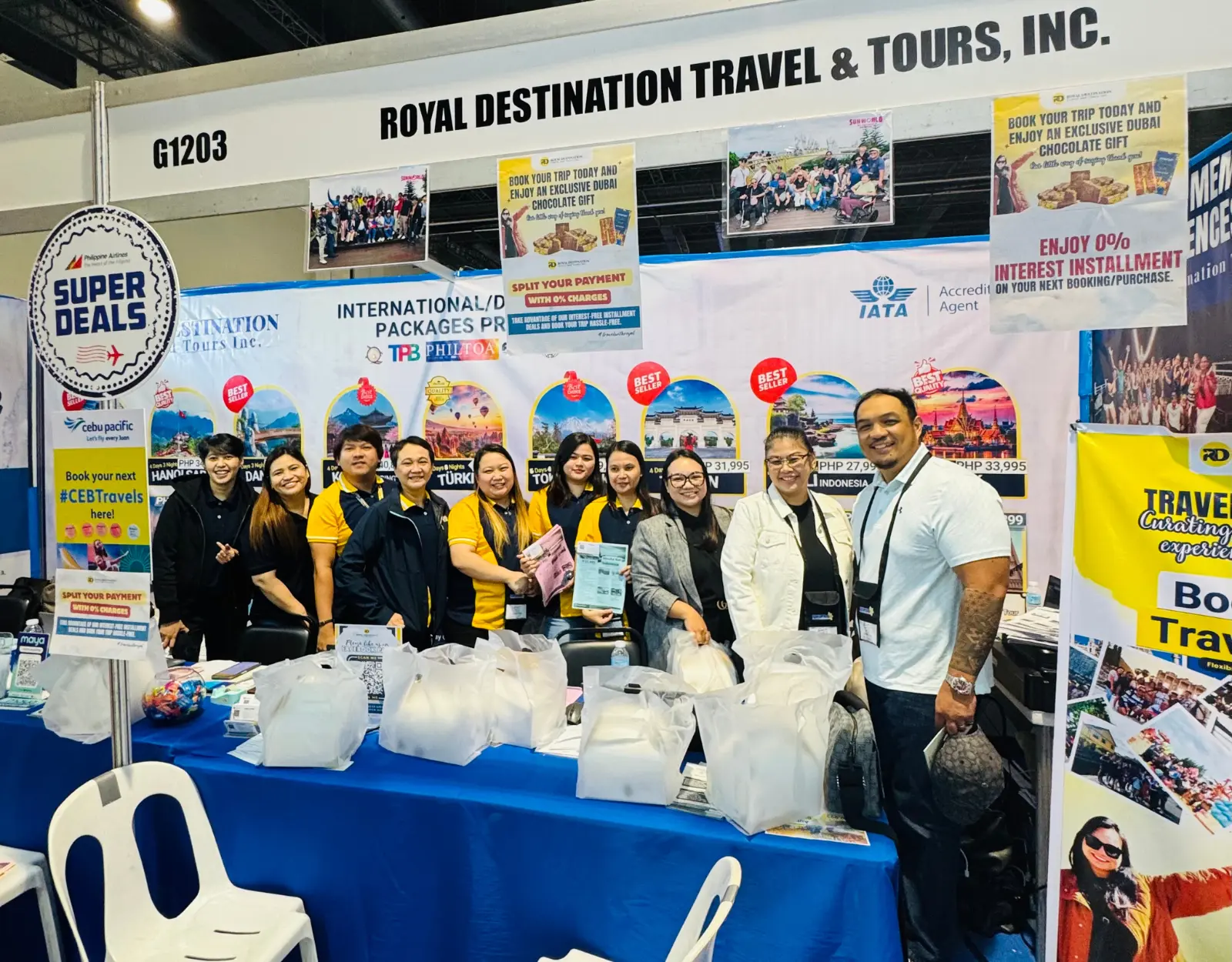
With suppliers selected and service agreements secured, the next important step is to put together a strong package to offer clients. According to Guimalan, a strong tour package must offer value, convenience, and memorable experiences.
“This means reliable transportation, good accommodations, well-planned itineraries, and clear inclusions like transfers, meals, and entrance fees—so clients know exactly what they’re getting,” she explains, adding that safety, quality partners, and smooth logistics are likewise important.
“Most importantly, you need to know your niche market,” the Royal Destination Travel and Tours founder says. “Understanding your clients’ preferences and travel style allows you to design packages that truly fit their needs and create lasting satisfaction.”
Advice for Aspiring Entrepreneurs
Starting and running a travel agency can be both challenging and rewarding, according to Guimalan. Nonetheless, she believes aspiring entrepreneurs should never let go of passion and maintain perseverance.
“This business is not just about selling trips, it’s about creating experiences and building trust with clients. Always invest in learning: understand the industry, know your niche, and continuously update your knowledge about destinations, regulations, and travel trends.”
When selecting destinations and putting together tour packages, she advises aspiring entrepreneurs to remember the following:
- Know Your Market: Understand your niche and what your clients want
- Research and Experience: Personally test the destinations and services to ensure quality
- Balance Value and Experience: Offer well-planned itineraries that are affordable yet memorable
- Partner Wisely: Work with reliable, professional partners
- Be Innovative: Add unique touches or creative experiences to stand out
- Stay Flexible: Adapt to trends, feedback, and changing client needs
Guimalan likewise stresses the importance of choosing reliable and professional partners, communicating clearly, and always delivering on your promises.
“Maintain regular engagement and visits to build trust and look for collaborative opportunities like joint promotions or special deals,” says Guimalan. “Strong, transparent, and respectful relationships form the foundation for long-term success in the travel industry.”
Ultimately, the cornerstone of any successful travel agency is the ability to consistently deliver quality products and services to clients.
“When clients experience well-planned itineraries, reliable transportation, comfortable accommodations, and seamless service, they feel valued and trust your brand,” Guimalan explains. “This trust leads to repeat business, referrals, a strong reputation in the industry, and ultimately, success.”
Guimalan emphasizes that quality also comes in the form of going the extra mile for the business. This includes personally checking destinations and services, anticipating client needs, and ensuring that every aspect of the travel experience is smooth and memorable.
“When you consistently prioritize excellence, everything else—business growth, partnerships, and long-term success—naturally follows.”
Read more:
What Happens to the Tourism Industry When Fuel Prices Go Up
This NGO Looks to Reinvigorate Historic Tourism Locale Intramuros
Airbnb Philippines Offers USD100,000 Grant for Filipinas in Tourism Sector