Here Are 5 Tips for Starting a Pet-Related Business


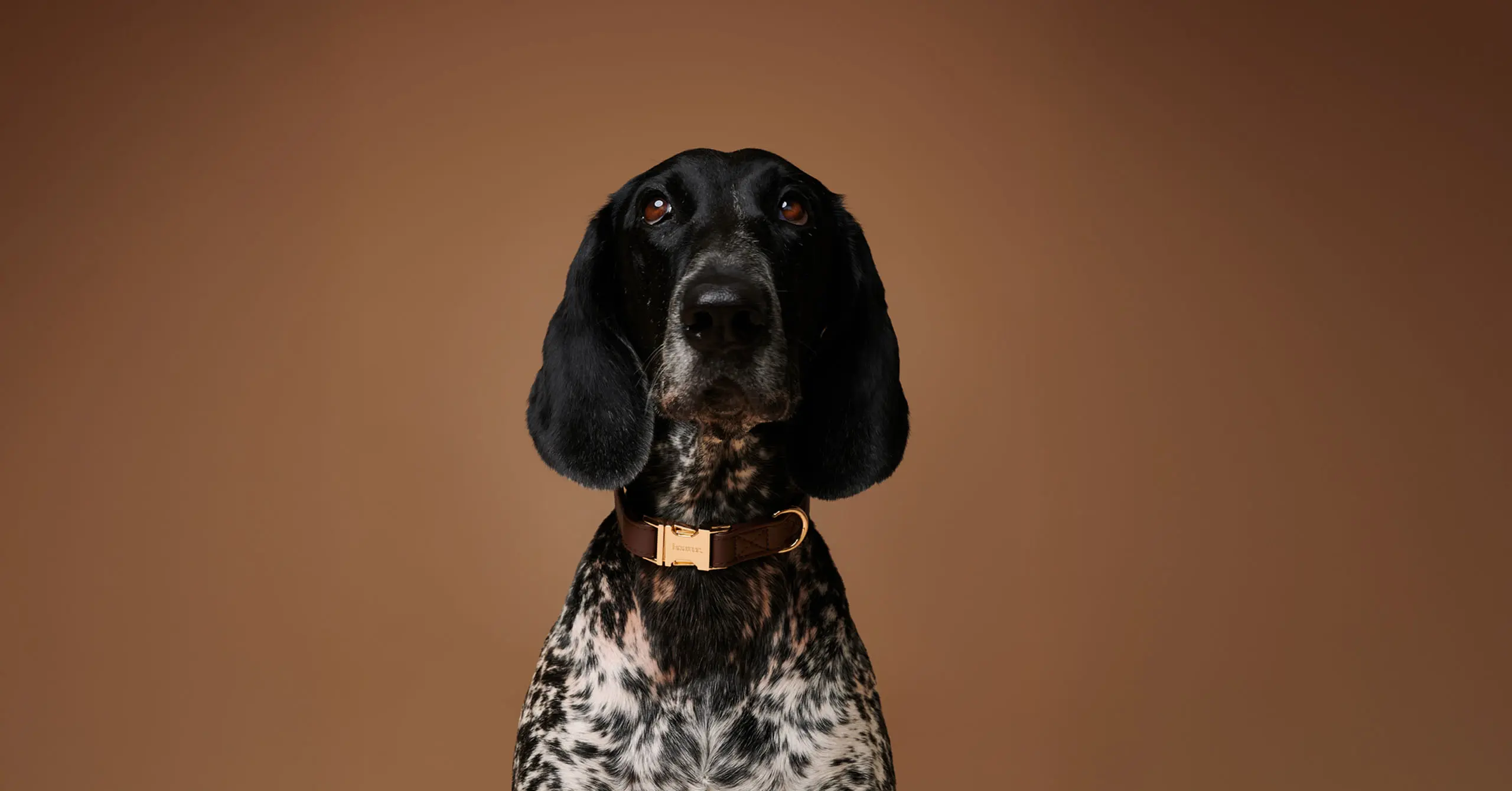
In the pet market, success begins with responsibility.
To say Filipinos love pets would be an understatement—and the numbers prove it. In 2024, 42% of households had pets, with an estimated 16.4 million dogs and 2.06 million cats.
Given the sheer number of pets and pet owners, it’s no surprise that entrepreneurs recognize strong potential in the pet industry. This continues to drive new brands offering food, clothing, accessories, and other essentials into the market.
Starting a pet-related business, however, is easier said than done. Pet safety will always be a main concern. How, then, can one ensure that products won’t put pets at risk?
To guide aspiring entrepreneurs entering the pet market, The Business Manual spoke with Lemuel Urieta, Founder of premium pet brand baarcc, to gather advice on how to do it responsibly.

1. Ignore Trends at First
Urieta’s first advice: “Start with love, not trends.”
It’s easy to be swayed by social media trends or what’s fashionable, but it’s crucial to put pets’ needs first. Bear in mind that not all trends are safe or suitable for them.
Starting in a place of love and care for pets can help guide the rest of the process, including the design and selection of materials.
2. Consult the Experts
Urieta, whose brand baarcc is built on beauty and design, admits that it’s easy to get caught up in aesthetics. Still, he emphasizes that the safety, comfort, and well-being of pets must always come first
To ensure his products are safe for pets, Urieta makes it a point to consult experts who know animals better than he does.
“I consulted dog-wear experts, pet behaviorists, and real dog owners—from parents of delicate toy breeds to owners of seniors and energetic pullers,” said Urieta. “I asked very specific questions: How does pressure distribute on the neck or chest? What materials prevent chafing or overheating? How does hardware behave under strain?”
3. Understand the Fur Parent
“Walk in their shoes, literally. Picture their daily routine with their dog,” says Urieta. “What can you make better? Then just start. You’ll learn more from doing than from waiting.”
What’s often overlooked is that while pets are the end-users, it’s their fur parents who make the purchasing decisions. This makes it equally important to understand customer needs—what they want, what they wish were available, and what they avoid.
“Don’t just copy what you see online. Talk to pet owners. Ask about their frustrations, their routines, their dreams for their pets,” he adds. “The pet category is deeply emotional—your products need to reflect that.”
4. Design With Intent
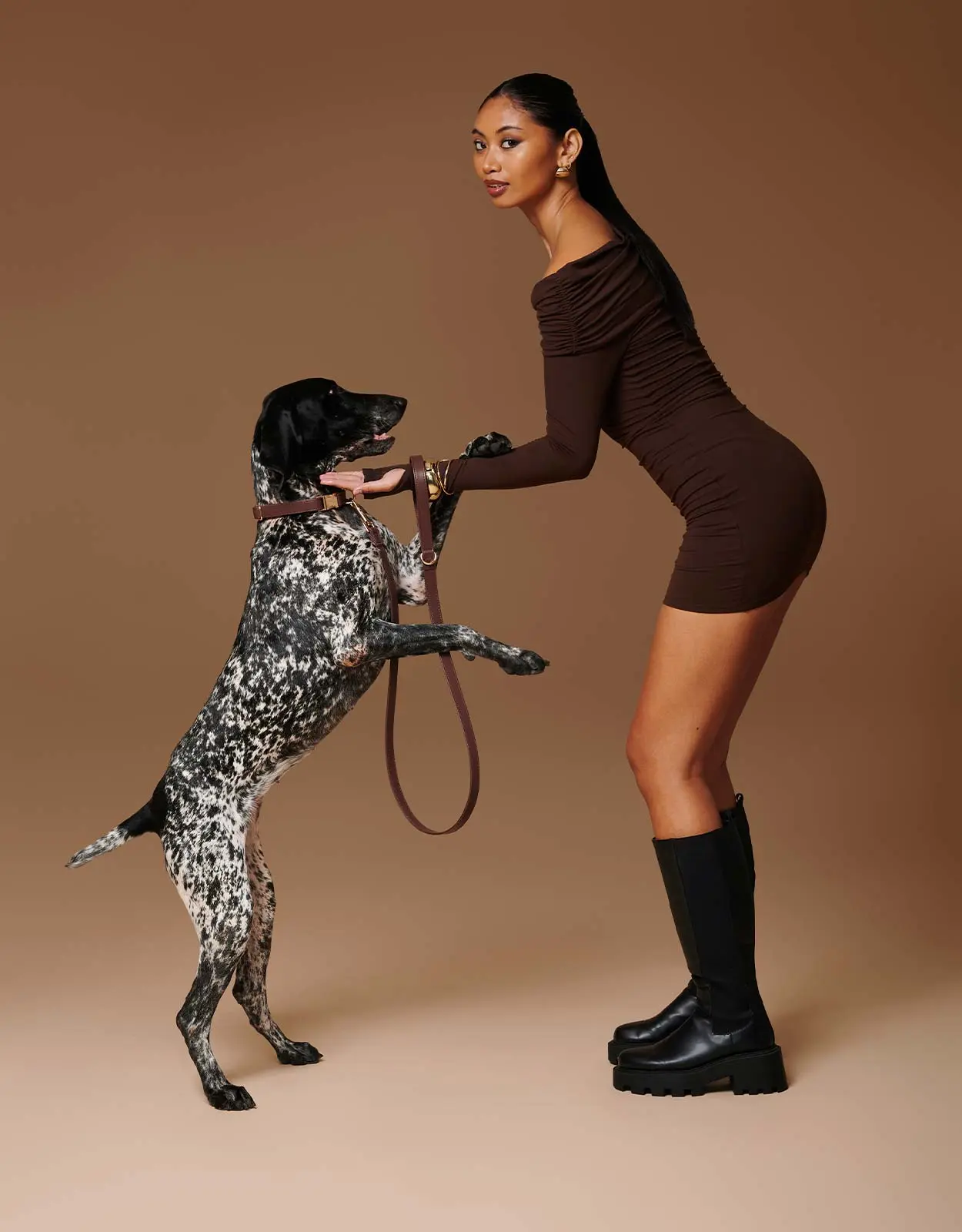
Urieta highlights the importance of designing with both purpose and empathy for the pets that will ultimately use the products.
“Pets don’t choose what they wear; their humans do,” he points out. “That means it’s our responsibility to create things that are gentle, safe, and thoughtfully made.”
That’s not to say that visual appeal should be ignored. “Beauty is a form of care,” Urieta adds.
5. Test Relentlessly
A dog owner himself, Urieta rigorously tested his products, making sure his beagle, Robin, was always comfortable.
“Test everything. If it’s food, consult vets,” he advises. “If it’s wearable, test for comfort and fit. I tried every harness on Robin before we launched it.”
As baarcc offers thoughtfully designed collars, leashes, harnesses, and accessories, Urieta ensured that the materials were lightweight, breathable, and gentle on fur.
“Our vegan leather is soft yet structured, chosen so it won’t irritate skin but will hold its shape beautifully over time. Every edge is rounded and smooth, every stitch reinforced,” the baarcc founder explains. “The hardware had to pass strength, corrosion, and tarnish tests—even our signature gold finish is designed to withstand heat and long walks without losing its luster.”
“Buckles are built for security, so they don’t loosen mid-walk like cheaper options on the market,” he adds. “Leashes were hand-tested for grip, flexibility, and control, making sure they feel as good in the hand as they look to the eye.”
“It wasn’t just about creating something beautiful. It was about making something dogs would feel good wearing—because if they’re not happy, the design doesn’t matter.”
Success Begins with Responsibility
Entrepreneurs who want to start a pet-related business should practice due diligence from start to finish. Always remember that pets are living beings that feel pain and discomfort, so products made for them must prioritize their safety and well-being.
Practicing due diligence, therefore, means conducting research at the very beginning. Talking to experts, analyzing data, and understanding the needs of both pets and pet owners are crucial.
It also means rigorous testing to ensure products meet established quality standards and address real needs. After all, when it comes to pets, one size rarely fits all
“To this day, we operate with that same test-and-learn mentality. We try small, we listen, and we scale what works,” says Urieta. “That’s my advice to entrepreneurs: you don’t need to go big—you just need to go.”
Read more:
How This Pet Care Brand Pivoted Its Strategy
Boehringer Ingelheim’s ‘Stop Rabies’ Program Targets a Rabies-Free Philippines
How This Business Became Shopee’s Highest-Rated All-Natural Treat Shop